When Is the Best Time to See the Leonids Meteor Shower?
The Leonids peak the night of November 16 into 17, 2026. Best viewing runs after midnight until dawn, with fast bright meteors at only a few per hour.
Key takeaways
- The Leonids peak the night of November 16 into 17, 2026; the night of November 17 into 18 is a strong backup.
- Watch after midnight local time until dawn, when the radiant in Leo climbs highest.
- Leonids strike the atmosphere at 43.5 miles (69.7 km) per second, among the fastest meteors.
- Expect fewer than 3 meteors per hour in a normal year; 2026 brings no storm.
- The debris comes from comet 55P/Tempel-Tuttle, on a 33-year orbit around the Sun.
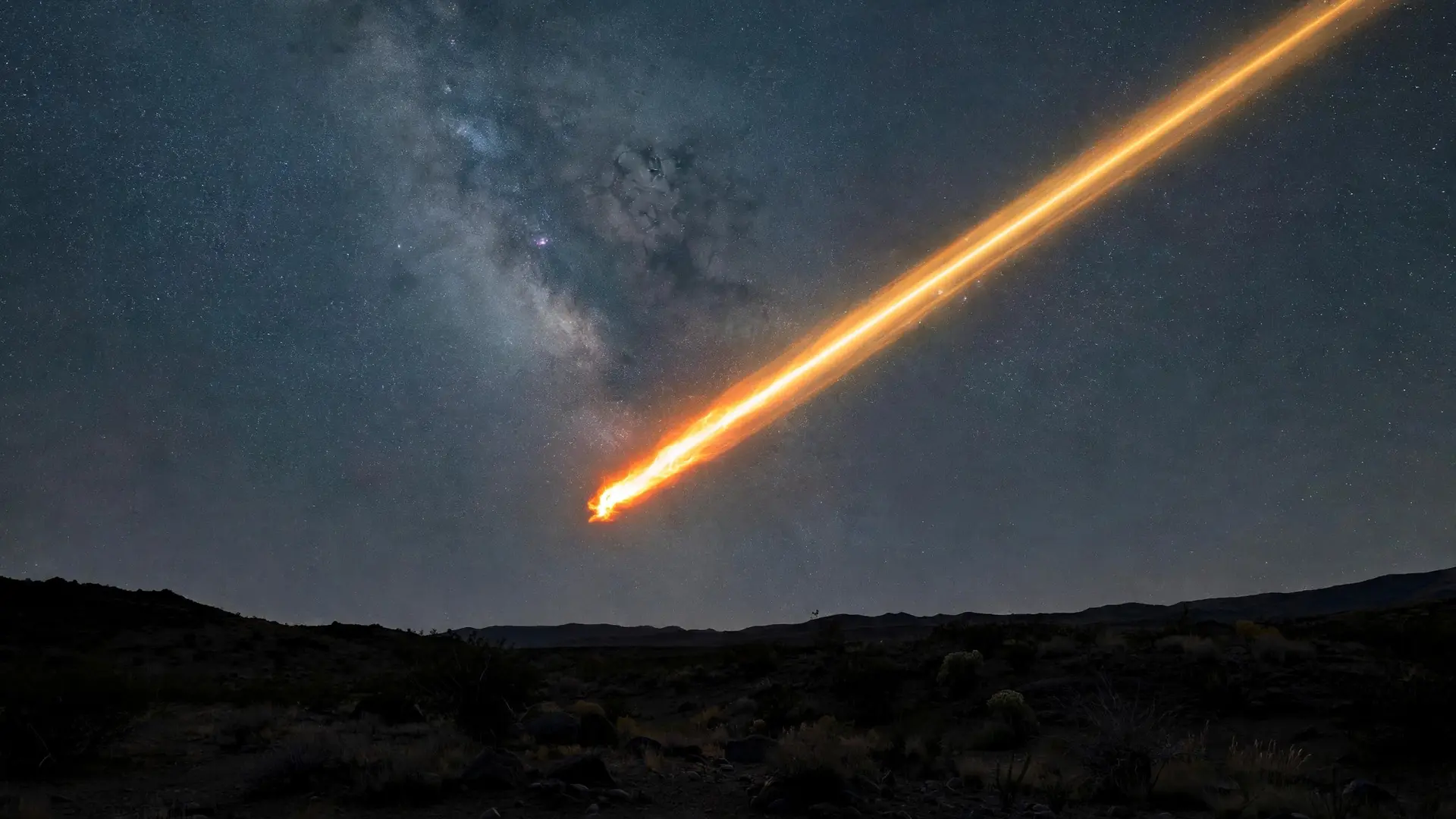
The best time to see the Leonids in 2026 is after midnight until dawn on the night of November 16 into 17, with the morning of November 18 as a backup. They are among the fastest meteors on record at 43.5 miles (69.7 kilometers) per second, which is why even a quiet year produces bright, memorable streaks.
- The Leonids are active from November 6 to November 30, 2026, with the peak night falling on November 16 into 17. NASA
- The best viewing runs from about midnight local time until dawn; your eyes need roughly 30 minutes in the dark to fully adapt. NASA
- Leonid meteors strike the atmosphere at 43.5 miles (69.7 kilometers) per second, among the fastest of any annual shower. NASA
- On the peak night the Moon is about 39% lit and sets at 10:53 p.m. EST in New York (3:53 a.m. GMT), leaving the prime hours dark. Fresh Calendars
- In an ordinary year expect fewer than 3 meteors per hour under dark skies; no storm is expected, and the last Leonid storm was in 2002. NASA
When exactly is the 2026 Leonids peak?
NASA puts the Leonids' peak night on November 16 into 17, 2026, with the shower active from November 6 to November 30. The American Meteor Society agrees on the night of November 16 into 17. But the peak is broad rather than a single hour: Sky at Night Magazine's 2026 guide centers the maximum at about 01:00 UT on November 18 (8:00 p.m. EST on November 17, 1:00 a.m. GMT on November 18), and NASA's own November 2026 skywatching guide points to the early mornings of November 17 and 18. The practical advice: plan for both nights. NASA Fresh Calendars BBC Sky at Night Magazine
Timing within the night matters more than the exact date. The Leonid radiant, the point in Leo the meteors seem to stream from, rises late in the evening and climbs toward its highest point near dawn. A watch from midnight until the start of dawn yields the best results. On the peak night the Moon is about 39% illuminated and sets at 10:53 p.m. EST in New York, so the hours after moonset are dark; on the following night it sets later, at 11:56 p.m. EST, which makes the first night the better bet. Fresh Calendars BBC Sky at Night Magazine
Why are the Leonids so fast and bright?
Speed is the Leonids' signature. NASA clocks them at 43.5 miles (69.7 kilometers) per second, making them some of the fastest meteors Earth encounters. All that velocity turns to light and heat in the upper atmosphere, which is why Leonids are bright and often colorful, and why they leave glowing trains that linger after the meteor itself is gone. NASA The debris comes from comet 55P/Tempel-Tuttle, a small comet whose nucleus measures only 2.24 miles (3.6 kilometers) across. Each time the comet swings past the Sun on its 33-year orbit through the solar system, it sheds dust that spreads along its path. Every November, Earth drives through that dusty trail. The comet was found twice, independently, in 1865 by Ernst Tempel and in 1866 by Horace Tuttle. NASA When Earth crosses a dense, fresh ribbon of that dust, the shower becomes a storm: at least 1,000 meteors per hour by definition. Viewers in 1966 watched thousands of meteors per minute fall for 15 minutes, so many they seemed to fall like rain. The last such storm came in 2002. NASA Leonids timeline: from storms to the next chances:
- 1966: thousands of meteors per minute for 15 minutes over the Americas. NASA
- 2002: the most recent Leonid storm. NASA
- 2026: an ordinary year; often fewer than 3 meteors per hour under dark skies. NASA
- 2031: comet Tempel-Tuttle returns to the inner solar system. Fresh Calendars
- 2033-2034: the next expected outburst period. BBC Sky at Night Magazine
- 2099: the next expected encounter with a dense debris cloud. Fresh Calendars
How do you watch them properly?
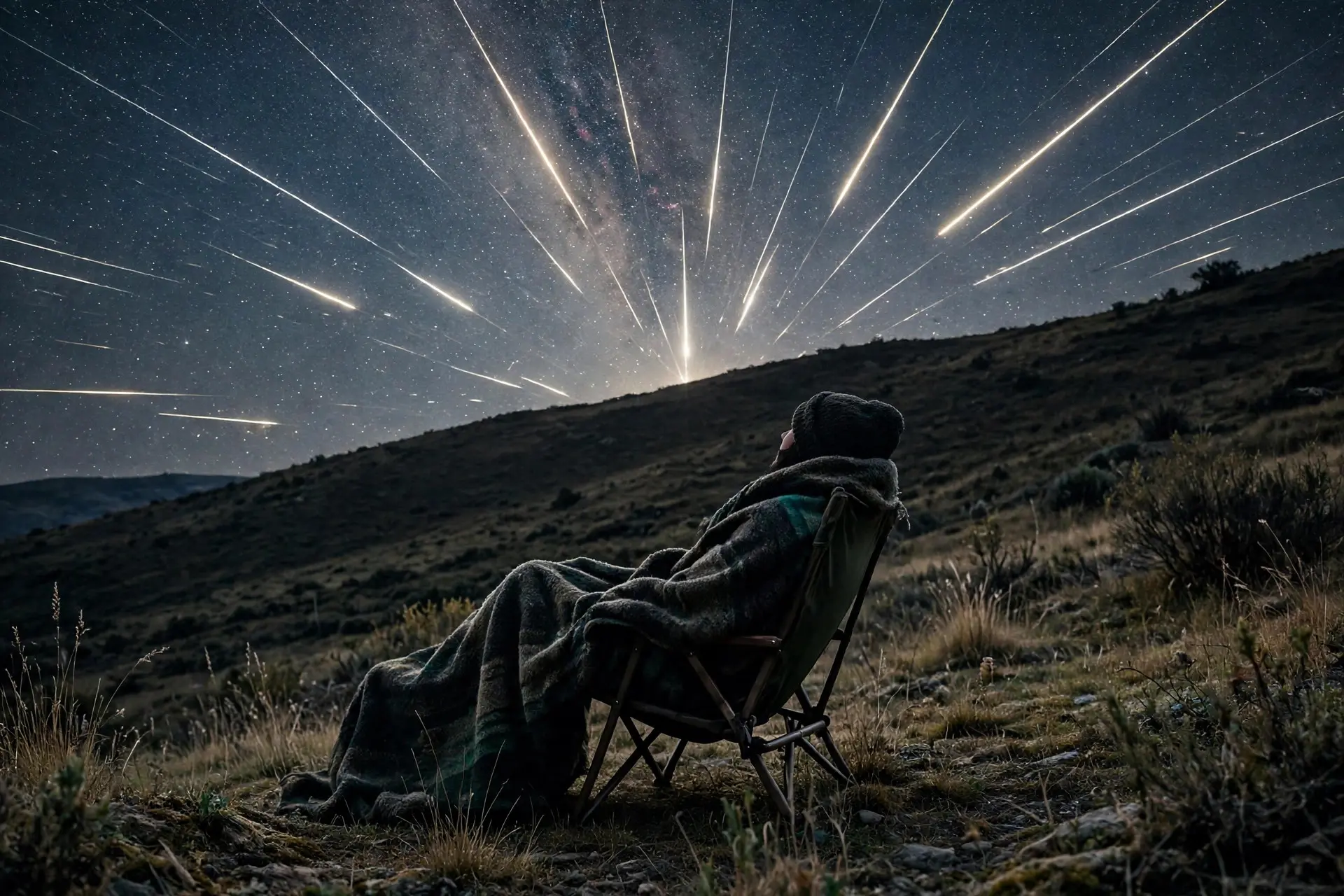
Leave the city. A park or dark rural spot changes the show more than any equipment. Give your eyes about 20 to 30 minutes away from screens; red light preserves night vision if you need a flashlight. Bring a reclining chair and a blanket, since clear November nights are cold, and look about two-thirds of the way up the sky in the darkest direction, not directly at Leo. Meteors appear all over the sky, and the ones farther from the radiant draw longer, more dramatic streaks because of perspective. No telescope or binoculars needed: naked-eye observing is best. NASA Fresh Calendars BBC Sky at Night Magazine The show runs until dawn, so there is no need to rush. In the United States the Moon is out of the way from about 10:53 p.m. EST (3:53 a.m. GMT) on November 16 in New York until morning. Wherever you are, the rule is the same: after midnight local time, facing the darkest sky you can find. Fresh Calendars November is a busy month for meteors beyond the Leonids. The Southern Taurids peaked on November 4-5 and the Northern Taurids peak on November 11-12, and they are famous for bright, slow fireballs. If the Moon cooperates, you can catch both families of meteors in the same dark-sky session.
What do people get wrong about the Leonids?
First, the storm hype. Every November brings predictions of a "meteor storm," but a true storm needs at least 1,000 meteors per hour, and 2026 is not that year. Expect a few bright, fast meteors per hour and you will enjoy the show; expect a storm and you will be disappointed. NASA Second, where to look. The meteors are named for Leo because they seem to radiate from that constellation, but staring straight at the radiant gives you the shortest, least impressive streaks. Look away from Leo, about two-thirds up the darkest part of the sky, for the long ones. NASA BBC Sky at Night Magazine Third, the Moon. Moonlight does wash out faint meteors, and a supermoon would be the worst case. But this year the timing is kind: the Moon sets before the best hours on the peak night, so the after-midnight sky stays dark. Fresh Calendars The Leonids reward patience, not equipment: a dark spot, a reclining chair, warm clothes, and the hours after midnight on November 16 into 17. You will not see hundreds. You might see a handful of the fastest meteors of the year burning trails across the sky, and that is the whole point. How we made this article: FactSpire researched and drafted it with AI assistance and checked every fact against the sources listed above.
Frequently asked questions
What is the best night to see the Leonids in 2026?
The night of Monday, November 16 into Tuesday, November 17. Start watching after midnight local time and stay out until dawn, when the radiant in Leo is highest. The night of November 17 into 18 is a good backup, since the peak is broad rather than a single hour.
How many meteors will I see per hour?
In an ordinary year, NASA says rates are often fewer than 3 per hour under dark skies. The Leonids compensate with speed and brightness: at 43.5 miles per second they are among the fastest meteors, so the few you see tend to be memorable.
Will there be a Leonid meteor storm in 2026?
No. The last Leonid storm was in 2002, and the American Meteor Society says Earth will not cross a dense debris cloud until 2099. The comet's returns in 2031 and 2064 could bring stronger displays, but 2026 is a normal year.
Will the Moon interfere with the Leonids this year?
Barely. The Moon is about 39% lit on the peak night and sets at 10:53 p.m. EST in New York, well before the best viewing hours begin after midnight. With the Moon below the horizon, the after-midnight sky stays dark, and the radiant in Leo climbs highest toward dawn.
Sources
- Leonids, NASA Science
- November 2026 Meteor Showers: Taurids and Leonids, Fresh Calendars
- One of autumn's best meteor showers is visible right now. Here's how to see the Leonid meteor shower tonight, BBC Sky at Night Magazine