What Is the Deepest Canyon on Earth? Yarlung Tsangpo
The Yarlung Tsangpo Grand Canyon in Tibet plunges up to 6,009 meters, the deepest canyon on land at three times the Grand Canyon. Why the number is disputed.
Key takeaways
- The Yarlung Tsangpo Grand Canyon in Tibet is the deepest canyon on land, up to 6,009 m (19,715 ft) deep.
- Guinness crowned it the world's longest and deepest canyon in 1994 at 5,382 m; the exact figure is still disputed.
- At 1,857 m deep, the Grand Canyon is less than a third as deep; Cotahuasi (3,535 m) ranks a distant second.
- Himalayan uplift about 3 million years ago steepened the river, driving the downcutting that carved it.
- Its forests hold a 102 m cypress found in 2023, believed to be Asia's tallest tree.
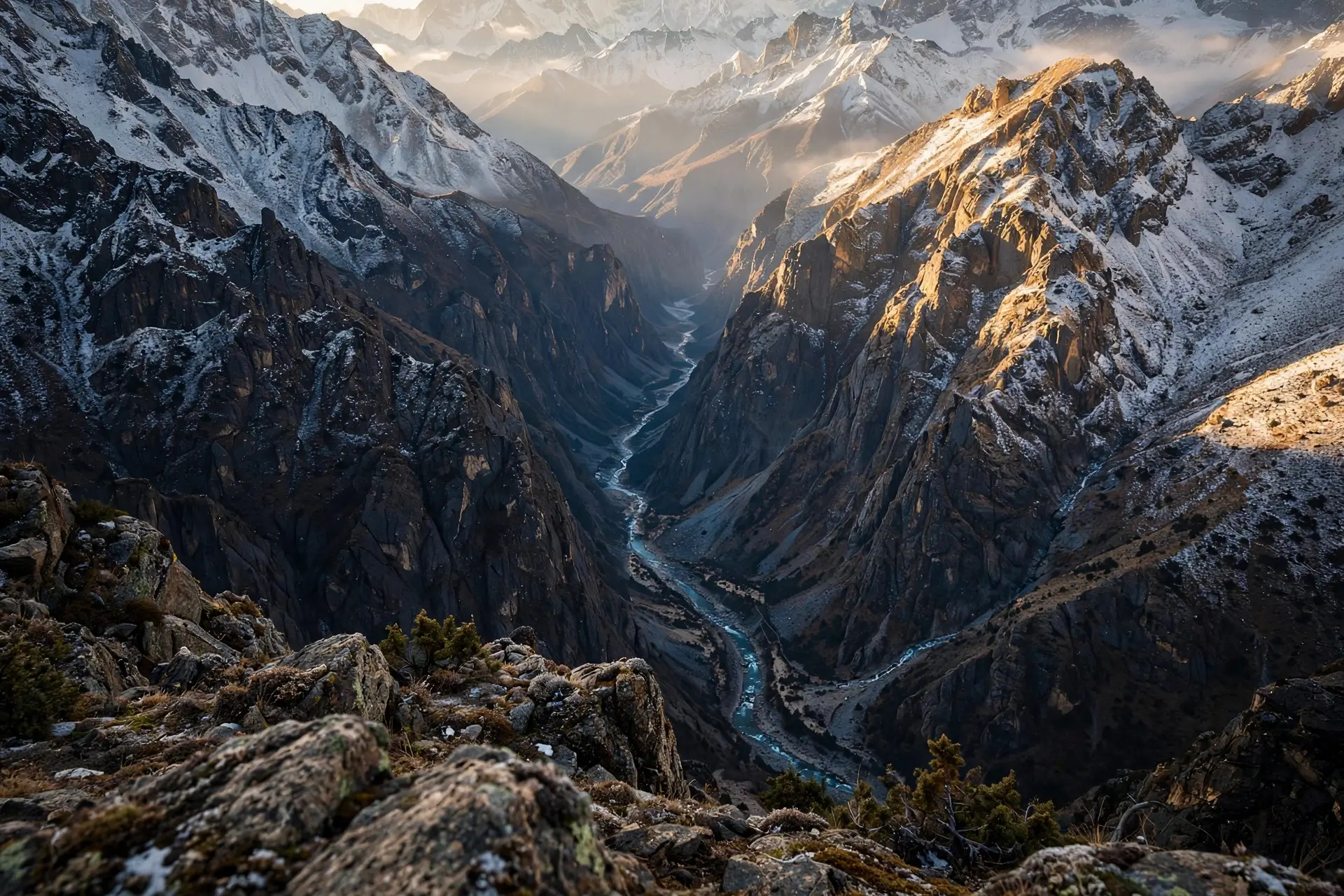
The Yarlung Tsangpo Grand Canyon in Tibet is the deepest canyon on land: up to 6,009 meters (19,715 feet) deep where the river swings around Namcha Barwa, roughly three times the depth of the Grand Canyon. The exact figure is disputed, Guinness crowned it in 1994 at 5,382 meters, but the title is not.
- The canyon reaches up to 6,009 meters (19,715 feet) deep as the river passes between Namcha Barwa (7,782 m / 25,531 ft) and Gyala Peri (7,234 m / 23,733 ft). (NASA Science)
- In 1994, Guinness crowned it the world's longest and deepest canyon, then citing 5,382 meters (17,657 feet); a separate Guinness deepest-valley listing gives 5,075 meters (16,650 feet). (Live Science, Facts and Details)
- The Chinese survey figure gives 504.6 kilometers (313.5 miles), a touch more than the Grand Canyon's 446 kilometers (277 miles), and roughly three times as deep as the Grand Canyon's 1,857 meters (6,093 feet). (Live Science)
- Through the gorge, the river drops 2,133 meters (7,000 feet) in 240 kilometers (150 miles) as it turns toward India. (Facts and Details)
- Tectonic forces pushed up the crust around 3 million years ago, steepening the river's path and driving massive erosion. (Live Science)
- In 2023, a Peking University team measured a 102-meter (335-foot) cypress in the canyon, believed to be Asia's tallest tree. (Live Science)
How deep is the Yarlung Tsangpo Grand Canyon?
Ask three sources and you get three answers, and all three are honest. NASA's figure is the one most often quoted today: 6,009 meters (19,715 feet) of maximum depth, measured where the canyon passes between two Himalayan giants, Namcha Barwa at 7,782 meters and Gyala Peri at 7,234 meters. That figure comes from Chinese survey data and pairs with a length of 504.6 kilometers. Live Science repeats it, noting the canyon averages about 2,270 meters (7,440 feet) deep along its course.
The older number has a pedigree too. When the Guinness Book of World Records crowned the canyon the world's longest and deepest in 1994, it cited 5,382 meters (17,657 feet) and 496.3 kilometers (308 miles). A third figure, 5,075 meters (16,650 feet), appears in a Guinness deepest-valley listing. The disagreement is not sloppy science; it is a measurement question. Some figures measure straight from rim to river at the deepest point, others average across the valley or measure peak-to-river relief. What no source disputes is the ranking: by any of the three figures, nothing else on land comes close.
How did the canyon get so deep?
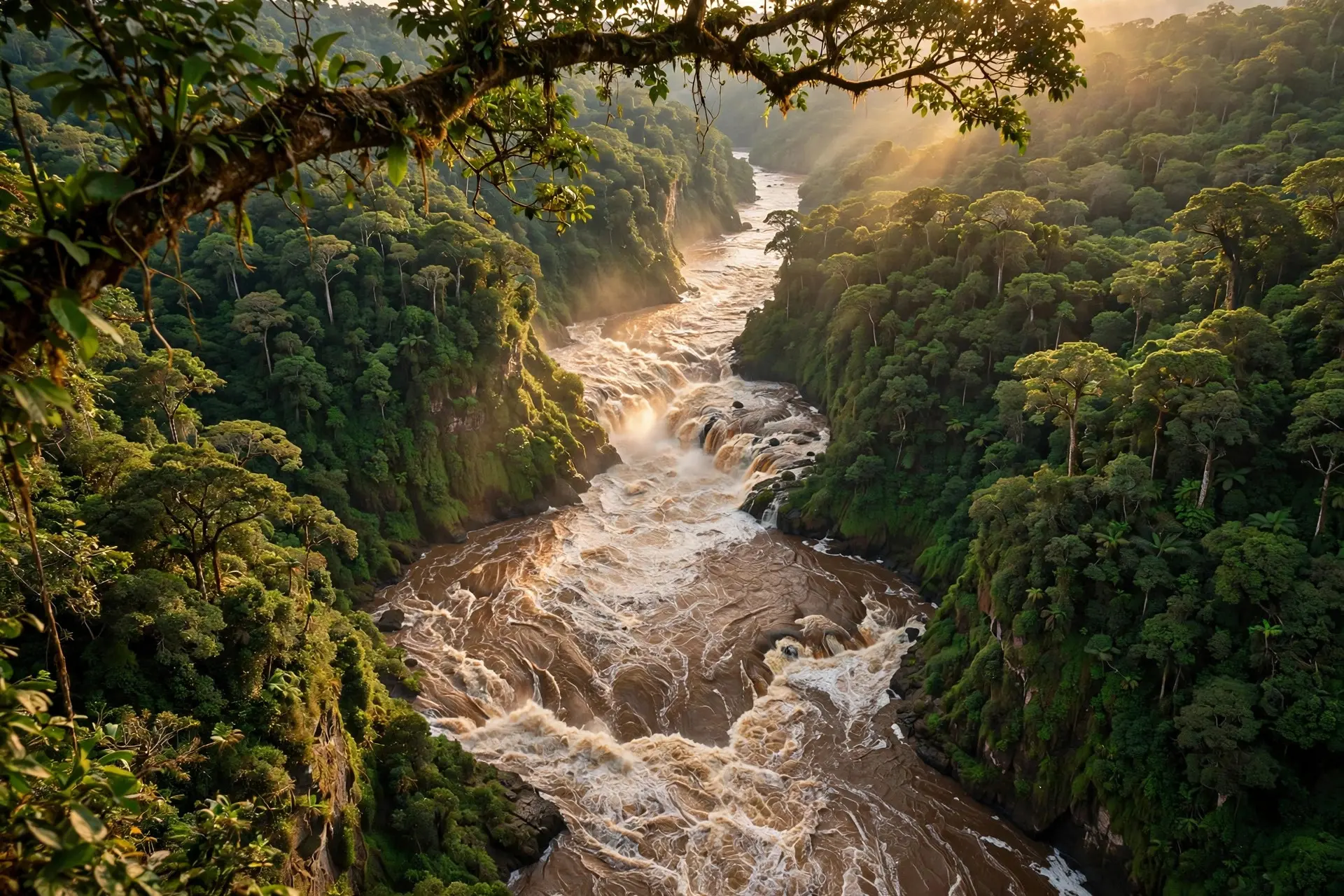
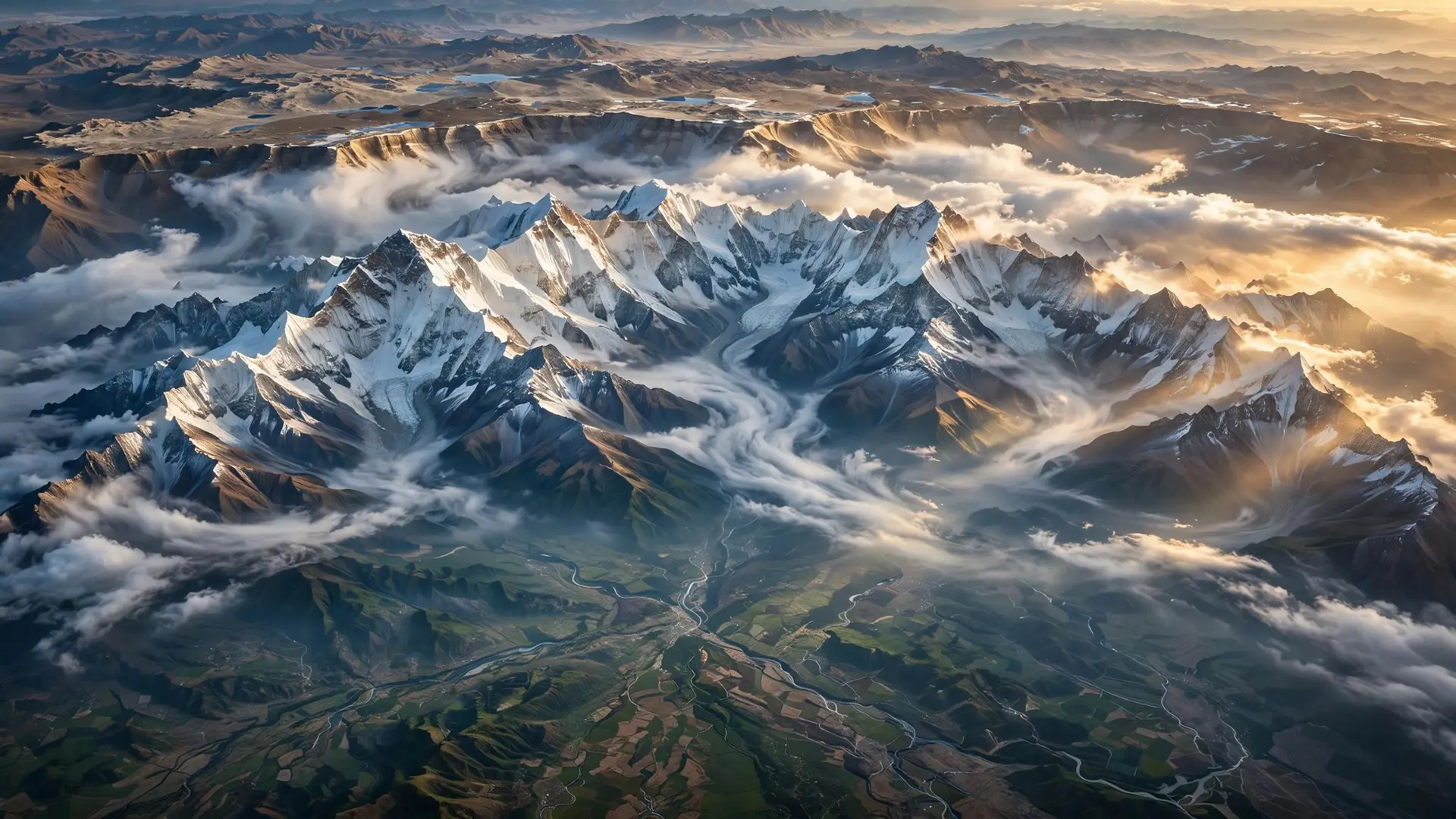
The short answer is a race between a river and a mountain range, and the river won by cutting down faster than the mountains rose. The Yarlung Tsangpo runs east across the Tibetan Plateau, then bends sharply south around Namcha Barwa, slicing through the eastern Himalayas toward India, where it becomes the Brahmaputra. About 3 million years ago, tectonic forces shoved the crust upward around the river's path, steepening its course. The Indian Plate's ongoing collision with the Eurasian Plate kept lifting the Himalayas, and the river responded by carving down through the rising rock, in places outstripping the uplift rate. The result is a gorge that drops 2,133 meters in 240 kilometers, a sustained plunge that turns the river into one of the most violent whitewater runs on the planet. The canyon is not just deep; it is steep, narrow, and still being cut.
Why did it take a century to measure?
The Tsangpo was one of the great blank spots on the map well into the 20th century. In the 1800s, Britain recruited Indian "pundit" surveyors to probe Tibet, which was closed to British citizens, trying to settle whether the Tsangpo was the upper Brahmaputra. In 1913, Frederick Marshman Bailey and Henry Morshead finally proved it was. But proving the river's identity and measuring its gorge are different problems: the canyon sits in ferociously remote country, wrapped around a 7,782-meter peak. The true scale emerged only from Chinese scientific surveys in the 1990s, capped by the 1994 Guinness recognition. The kayaking history reads like a casualty list. A 1993 Japanese attempt lost a team member. In October 1998, an expedition backed by the National Geographic Society tried to run the entire gorge and ended in tragedy when expert kayaker Doug Gordon was lost. Not until January and February 2002 did an international team complete the first full descent of the upper gorge; NASA notes that seven kayakers were the first westerners to navigate the entire gorge. Whitewater paddlers call the Tsangpo the Everest of Rivers, and even a waterfall in the gorge, the roughly 30-meter Hidden Falls, was only confirmed by Westerners in 1998.
How does it compare to the world's other great canyons?
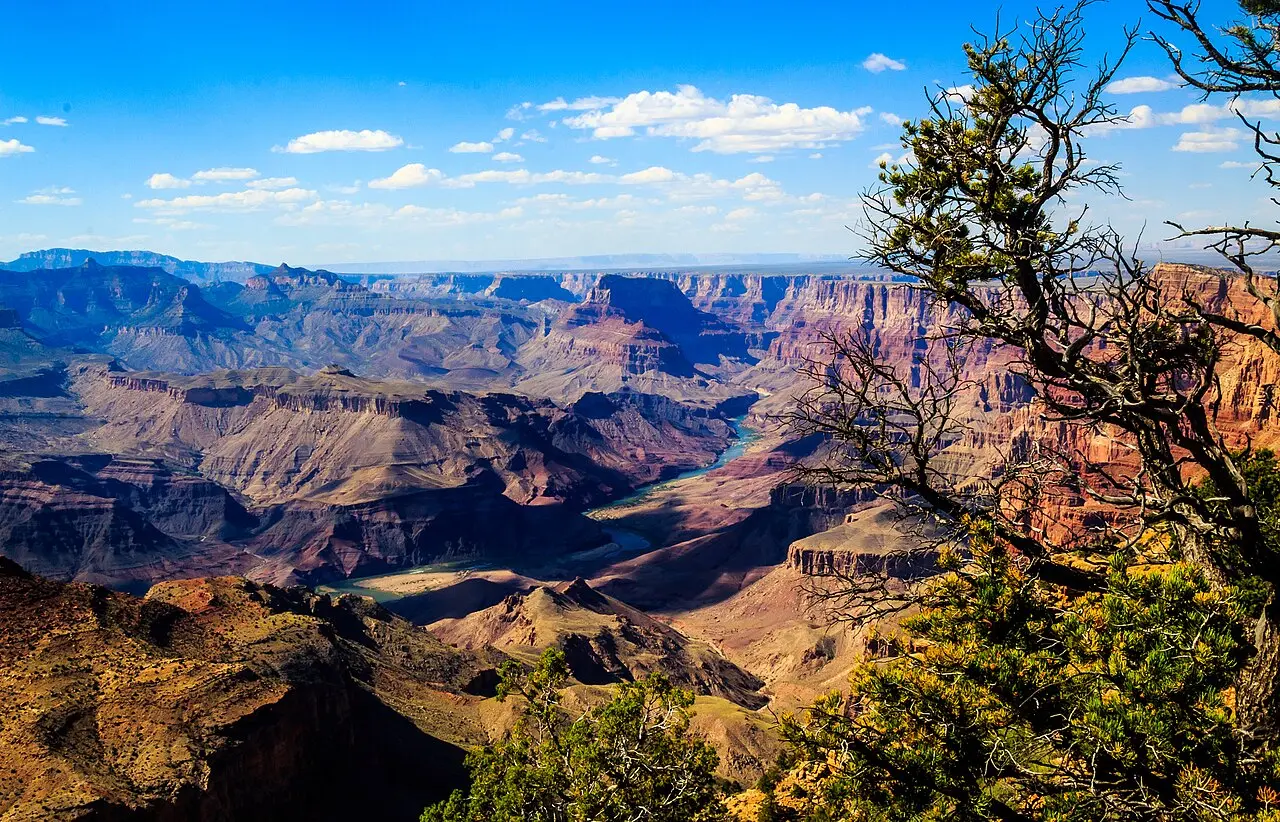
Before the 1990s surveys, Peru held the depth records. Cotahuasi Canyon, at 3,535 meters (11,598 feet), and Colca Canyon, at 3,270 meters (10,728 feet), were both believed to be the deepest canyons on Earth. They are still spectacular, but the Yarlung Tsangpo beats Cotahuasi by more than 2.4 kilometers. And the canyon most people picture, the Grand Canyon, reaches about 1,857 meters: deeper than Cotahuasi's rivals are not, but less than a third of the Tibetan canyon's maximum.
| Canyon | Maximum depth | Length | Note |
|---|---|---|---|
| Yarlung Tsangpo, Tibet | 6,009 m (19,715 ft) | 504.6 km (313.5 mi) | Guinness 1994: world's longest and deepest |
| Cotahuasi, Peru | 3,535 m (11,598 ft) | ~100 km | Once thought the world's deepest |
| Colca, Peru | 3,270 m (10,728 ft) | ~70 km | Runner-up before the 1990s surveys |
| Grand Canyon, USA | 1,857 m (6,093 ft) | 446 km (277 mi) | The famous one, less than a third as deep |
| One boundary matters: the Mariana Trench descends far deeper than any canyon, but it is an ocean trench, not a canyon. The deepest-canyon title is a land record, and on land the Yarlung Tsangpo stands alone. |
What most people get wrong about the deepest canyon
The most common mistake is naming the Grand Canyon. It is the most photographed, most visited, and most written-about canyon in the world, which makes it feel like the superlative in every category. For depth it is not even the runner-up; two Peruvian canyons beat it, and the Tibetan canyon nearly triples it. The second mistake is treating the depth as a single settled number. As the three competing figures show, "how deep" depends on where you put the ruler and what you measure between. Reporting 6,009 meters without the caveat is the norm in popular writing, but the 1994 Guinness figure and the valley-based figure are both real measurements of real things. The third mistake is assuming "deepest" means one thing everywhere. Greece's Vikos Gorge holds a Guinness record too, but in a different category: deepest in proportion to its width, at about 900 meters deep. Records need categories, and the Yarlung Tsangpo's category is absolute depth on land. The Yarlung Tsangpo Grand Canyon earned its title the hard way: a river cutting through rising mountains for 3 million years, in country so remote that its full scale stayed hidden until the 1990s. It hides Asia's tallest known tree in its forests, it defeated kayakers for a decade, and it is still the one canyon on Earth that makes the Grand Canyon look shallow. How we made this article: FactSpire researched and drafted it with AI assistance and checked every fact against the sources listed above.
Frequently asked questions
How deep is the Yarlung Tsangpo Grand Canyon?
It depends on the survey. NASA cites up to 6,009 meters (19,715 feet) between Namcha Barwa and Gyala Peri. Guinness crowned it in 1994 at 5,382 meters (17,657 feet), and a Guinness deepest-valley listing gives 5,075 meters. The differences come from survey methods and from whether depth is measured rim-to-river or across the whole valley.
Is the Grand Canyon the deepest canyon in the world?
No. The Grand Canyon reaches about 1,857 meters (6,093 feet), less than a third of the Yarlung Tsangpo's maximum. Peru's Cotahuasi Canyon at 3,535 meters and Colca Canyon at 3,270 meters were once thought to be the deepest, before 1990s surveys established the Tibetan canyon's true scale.
Has anyone kayaked the Yarlung Tsangpo?
Yes, at great cost. A 1993 Japanese attempt lost a team member, and a 1998 National Geographic-backed expedition ended in tragedy when kayaker Doug Gordon was lost. In early 2002, an international team completed the first full descent of the upper gorge. NASA notes seven kayakers were the first westerners to navigate the entire gorge.
What is the tallest tree in Asia?
Believed to be a South Tibetan cypress in the Yarlung Tsangpo canyon. In 2023, a Peking University team measured one at 102 meters (335 feet), taller than the Statue of Liberty. The canyon's climate zones run from subtropical forest at the river to Arctic conditions on the ridges, creating exceptional biodiversity.
Sources
- Yarlung Zangpo Grand Canyon, Tibet, NASA Science
- Yarlung Tsangpo: The deepest canyon on land hides a tree taller than the Statue of Liberty, Live Science
- What is the deepest canyon in the world?, Curious Expeditions
- 7 Amazing Grand Canyon Facts, Live Science
- YARLUNG TSANGPO (BRAHMAPUTRA RIVER) IN TIBET, Facts and Details