Why Is Gibraltar Still British and Not Part of Spain?
Why is Gibraltar British when it sits on Spain's southern coast? A 1704 capture, the 1713 Treaty of Utrecht, and two referendums fully explain it.
Key takeaways
- Spain ceded Gibraltar to Britain 'in perpetuity' under the 1713 Treaty of Utrecht, after an Anglo-Dutch force captured the Rock in 1704.
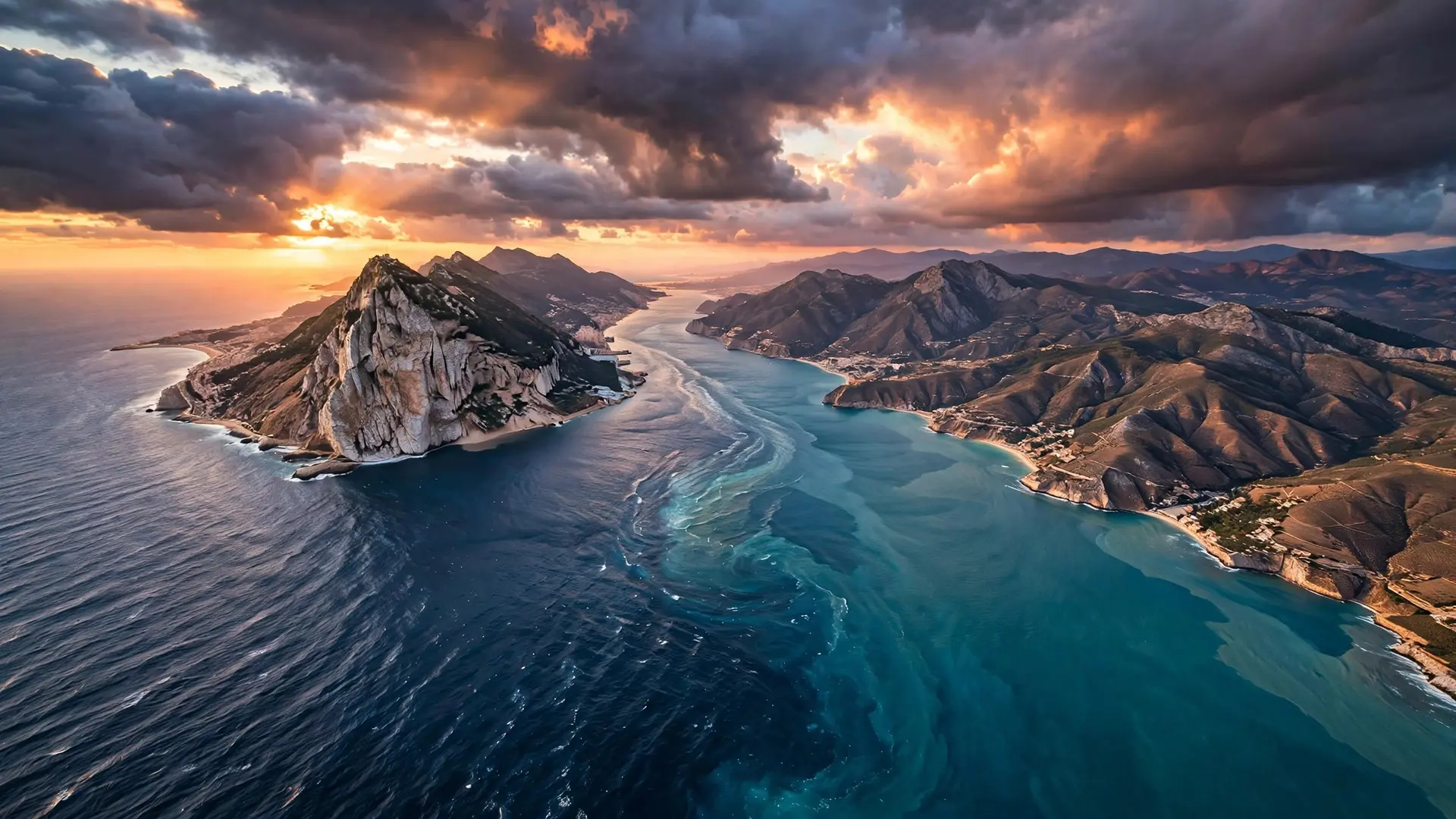
- Gibraltar guards the only entrance to the Mediterranean from the Atlantic; the 1869 opening of the Suez Canal made the naval base even more strategic.
- In 2002, 98.5 percent of Gibraltarians voted against sharing sovereignty with Spain; Britain will not change sovereignty without their consent.
- Gibraltar covers 2.25 square miles (5.8 square km) with a population of 38,196 (2022), and has full autonomy over its internal affairs.
Gibraltar is British because Spain ceded it to Britain "in perpetuity" under the 1713 Treaty of Utrecht, after an Anglo-Dutch force captured the Rock in 1704. Britain kept it as a naval base guarding the Mediterranean, and Gibraltarians have twice voted overwhelmingly to stay British.
Key facts
- Gibraltar was captured in 1704 by British and Dutch forces under Admiral Sir George Rooke and Prince George of Hesse-Darmstadt during the War of the Spanish Succession.
- Spain ceded Gibraltar "in perpetuity" to the Crown of Great Britain under the Treaty of Utrecht in 1713.
- In the 1967 referendum Gibraltarians voted overwhelmingly to remain British; General Franco closed the border in 1969, and it did not fully reopen until 1985.
- In the 2002 referendum over 98 percent voted to remain British; in the British Parliament the result was recorded as 98.5 percent against sharing sovereignty with Spain.
- Gibraltar is 2.25 square miles (5.8 square km), 3 miles (5 km) long and 0.75 mile (1.2 km) wide, with a population of 38,196 in 2022.
- After the Suez Canal opened in 1869, Gibraltar's importance as a provisioning port grew; it guards the only entrance to the Mediterranean Sea from the Atlantic Ocean.
How did Britain get Gibraltar in the first place?
In 1704, during the War of the Spanish Succession, a combined British and Dutch fleet seized the fortified town at the southern tip of the Iberian Peninsula. The force acted under Admiral Sir George Rooke for Britain and Prince George of Hesse-Darmstadt for the Dutch, and the Spanish attempt to recapture the Rock in 1704 and 1705 failed.
The war ended with the 1713 Treaty of Utrecht, in which Spain formally ceded Gibraltar to the Crown of Great Britain "in perpetuity." That single legal phrase is the foundation of everything that followed: Britain did not borrow the territory or occupy it temporarily. It received full title, forever, in a treaty that ended a major European war. The name itself is older than the dispute. It derives from the Arabic Jabal Tariq, Mount Tarik, honoring Tariq ibn Ziyad, who captured the peninsula in 711. The Rock was already one of the two Pillars of Heracles marking the western edge of the ancient Mediterranean world.
Why did Britain refuse to give it back?
Spain tried to take it back by force, twice. It laid siege to Gibraltar again in 1727, and then came the Great Siege of 1779 to 1783, when Spanish and French artillery pounded the city for nearly four years. The defenders held. On the evening of November 26, 1781, a sortie of 2,500 men raided the Spanish lines, and on September 13, 1782, gunners firing red-hot cannonballs destroyed ten specially built Spanish floating batteries. Britain's determination had a practical reason: the Rock sits at the mouth of the Mediterranean, giving the Royal Navy a place to resupply its fleet and keep commerce free from pirates or hostile powers. The opening of the Suez Canal in 1869 made Gibraltar even more crucial, since imperial shipping now ran through the Mediterranean to Suez, then through the Red Sea to India and on to Australia. Guarding the strait where the Mediterranean meets the Atlantic became central to defending the empire and the trade that enriched Britain. After the Royal Navy's victory at Trafalgar in 1805, the body of Vice Admiral Horatio Nelson was brought to Gibraltar aboard his flagship HMS Victory, and the territory remained a major naval base through both world wars. Since the 18th century it has been a symbol of British naval strength, known simply as "the Rock."
What do the Gibraltarians themselves want?
This is the decisive question, and the answer has been consistent for more than half a century. In 1967, Gibraltarians voted in their first sovereignty referendum with an overwhelming result to remain British. Franco's Spain responded by closing the border in 1969 and severing communications; the frontier did not fully reopen until 1985.
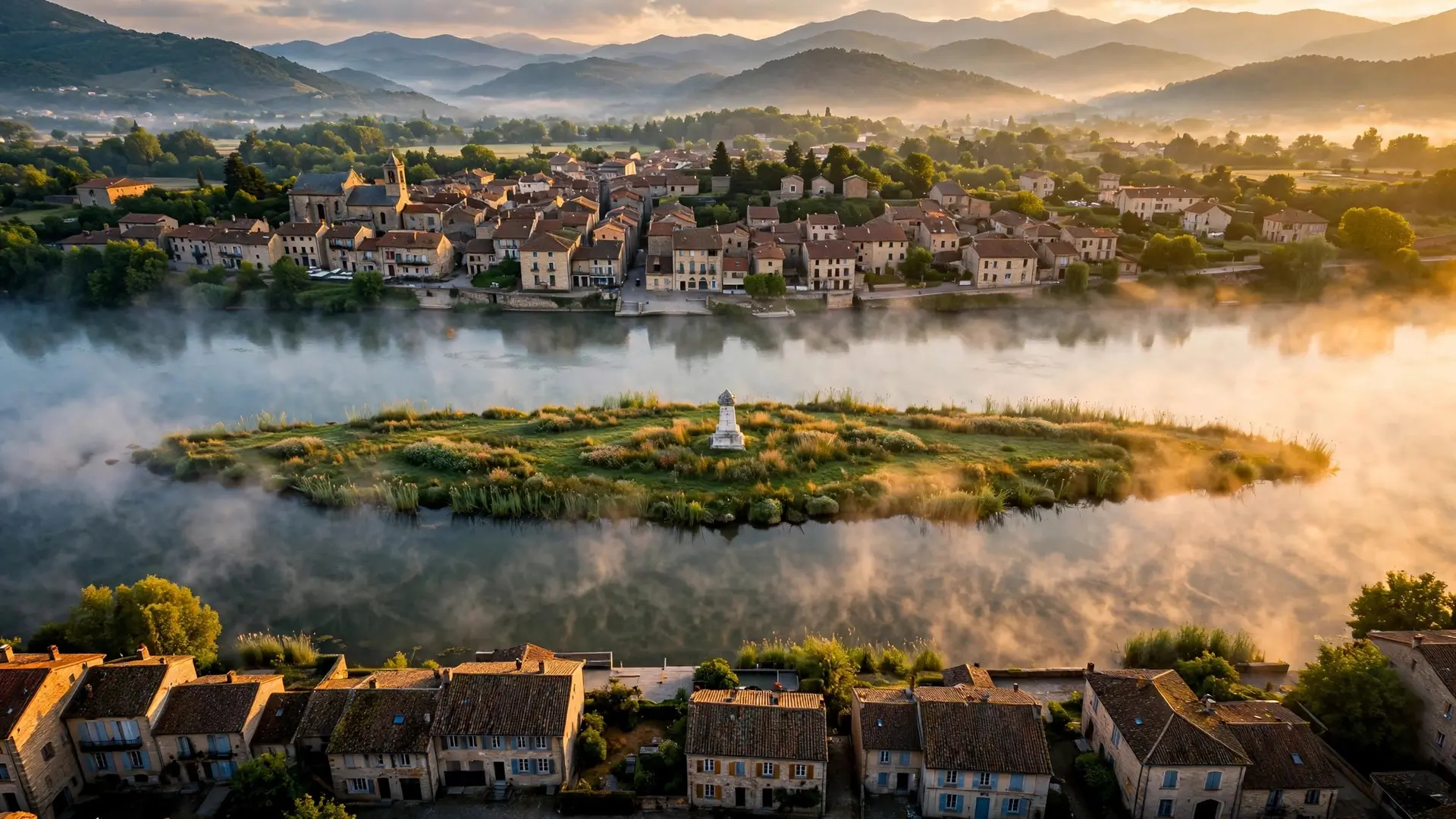
In the 1990s and early 2000s, the British government explored sharing sovereignty with Spain. Gibraltar's government called its own referendum on November 7, 2002, and the result was a landslide rejection: over 98 percent voted to remain British, recorded in Parliament as 98.5 percent against any sharing of sovereignty with Spain. British policy since has been explicit: there will be no change in Gibraltar's sovereignty without the consent of its people, a right rooted in the United Nations Charter. Under its 2006 constitution, Gibraltar has an elected government with full autonomy over its internal affairs. The contrast with Pheasant Island, whose sovereignty France and Spain share, shows exactly the arrangement Gibraltarians voted down.
What does Spain's claim rest on today?
Spain has never felt bound by the Treaty of Utrecht, viewing the 1704 capture as an act of force rather than a legitimate transfer. From Madrid's perspective, a colony on the Spanish coast is an unfinished piece of national territory. Britain's answer has two parts: the treaty's "in perpetuity" clause, and the democratic will of the people who live there. That second argument has only grown stronger as Gibraltar developed its own identity, language, and institutions. There is also an irony Madrid rarely mentions: Spain itself holds cities on the African coast, Ceuta and Melilla, claimed by Morocco on similar historical grounds.
Myth vs. fact
| Myth | Fact |
|---|---|
| Britain stole Gibraltar from Spain | An Anglo-Dutch force captured it in 1704, then Spain legally ceded it "in perpetuity" under the 1713 Treaty of Utrecht |
| Gibraltarians want to join Spain | In 2002, 98.5 percent voted against sharing sovereignty with Spain |
| The treaty was only temporary | The cession was "in perpetuity"; Britain marked 300 years of sovereignty in 2004 |
| Gibraltar is just a military base | It has a democratically elected government with full autonomy over its internal affairs under the 2006 constitution |
| Gibraltar endures as British for three reinforcing reasons: a treaty that granted it forever, a fortress that proved too costly to retake, and a population that keeps voting, by enormous margins, to keep it that way. Law, geography, and democracy all point the same direction, which is why three centuries of Spanish pressure have not moved the border an inch. | |
| How we made this article: FactSpire researched and drafted it with AI assistance and checked every fact against the sources listed above. |
Frequently asked questions
When did Britain take Gibraltar?
An Anglo-Dutch force captured Gibraltar in 1704 during the War of the Spanish Succession, and Spain formally ceded it to Britain 'in perpetuity' under the 1713 Treaty of Utrecht. Britain celebrated 300 years of sovereignty in 2004. Two later Spanish sieges, including the Great Siege of 1779 to 1783, failed to retake it.
Do the people of Gibraltar want to be Spanish?
No. In the 1967 referendum Gibraltarians voted overwhelmingly to remain British, and in 2002 over 98 percent rejected sharing sovereignty with Spain. British policy is that there will be no change in sovereignty without the consent of the people of Gibraltar.
Why does Spain still claim Gibraltar?
Spain has never felt bound by the 1713 Treaty of Utrecht, arguing the territory was taken by force. Britain answers with the treaty's 'in perpetuity' clause and the Gibraltarians' right to self-determination under the United Nations Charter, confirmed by two referendums.
How big is Gibraltar?
Gibraltar covers just 2.25 square miles (5.8 square km), is 3 miles (5 km) long and 0.75 mile (1.2 km) wide, and is joined to Spain by a low, sandy isthmus 1 mile (1.6 km) long. Its population was 38,196 in 2022.
Sources
- A Brief History Of Gibraltar, Gibraltar National Museum
- Gibraltar – The Principle of Self-determination, UK Foreign, Commonwealth & Development Office
- Gibraltar (Hansard, 16 December 2003), UK Parliament
- Gibraltar and Its Strange Relationship to Empire, University of Warwick
- Gibraltar, Encyclopaedia Britannica