
Curiosities
Deep explanations behind everyday enigmas, unexpected designs, and odd phenomena.
Page 2 of 2
 9 min read
The Max Headroom Broadcast Hijacking of 1987
On November 22, 1987, a masked intruder hijacked two Chicago TV stations, the second for 90 surreal seconds. Nearly four decades on, nobody knows who did it.
Read Article 7 min read
Why Do We Get Brain Freeze? The Cold Science Explained
That stabbing forehead pain after a frozen drink is a false alarm from your own blood vessels. Here is the real mechanism behind the ice cream headache.
Read Article 8 min read
The Green Children of Woolpit: A Medieval Mystery
In 12th-century Suffolk, two green-skinned children appeared at a wolf pit, speaking an unknown tongue. Their story became England's strangest medieval mystery.
Read Article 7 min read
Why Do Cats Purr? Science Isn't Fully Sure
A cat's purr is far more than a happiness signal. New research shows it may be self-medication: a healing frequency machine built into every cat.
Read Article 6 min read
The Somerton Man: Australia's Strangest Unsolved Case
In 1948 a well-dressed man died on an Australian beach with a coded note in his pocket and no name. DNA identified him in 2022 — but the mystery is not over.
Read Article 6 min read
Why We Knock on Wood: History of a Lucky Ritual
People knock on wood to guard their luck, but the ritual's true origin is murkier than the ancient pagan legends claim. Here is what the evidence actually says.
Read Article 6 min read
Why Do Onions Make You Cry? The Chemistry Explained
Slicing an onion releases a volatile gas that stings your eyes. Follow the chain reaction from soil sulfur to syn-propanethial-S-oxide — and how to cry less.
Read Article 6 min read
Why Do We Say Cheese When Taking Photos?
The story behind 'say cheese': a 1943 Texas newspaper, mouth-shaping phonetics, and why Victorians said 'prunes' before smiling ever became standard.
Read Article 7 min read
Is the Loch Ness Monster Real? What the Searches Found
Ninety years of sonar sweeps, hoaxes and DNA tests have found no monster in Loch Ness. Here is what each search turned up, and why people keep seeing one.
Read Article 6 min read
How Were the Moai Moved? The Case for Walking Statues
Rapa Nui tradition says the moai walked. Statue shapes, old roads and rope trials now support it, and recast the story of the island's supposed collapse.
Read Article 7 min read
What Happened to the Crew of the Mary Celeste?
In 1872 the Mary Celeste was found adrift with nobody aboard. Weighing the salvage-hearing evidence against each theory points to a hasty, mistaken abandonment.
Read Article 7 min read
How and Why Was Stonehenge Built? The Latest Evidence
Stonehenge's stones came from Wiltshire, west Wales and north-east Scotland. Quarries, chemistry and feasting debris now reveal how and why it was built.
Read Article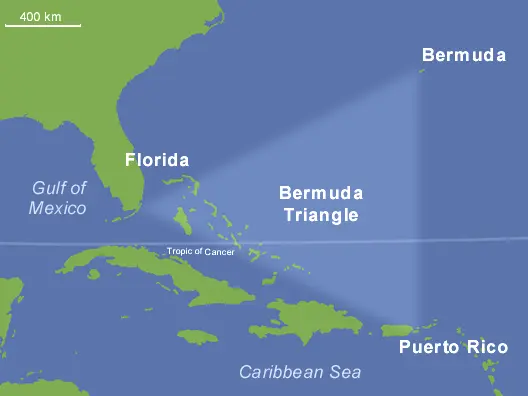 6 min read
Bermuda Triangle: Fact and Fiction Behind the Mystery
Records show the Bermuda Triangle loses no more ships or planes than other busy seas. Here is how a 1964 magazine story and a 1974 bestseller built the legend.
Read Article 4 min read
The Antikythera Mechanism: A Computer from Antiquity
Discovered in a shipwreck, this ancient Greek device possessed mechanical complexity unseen again for a thousand years. Inside the world's first computer.
Read Article 4 min read
The Unbreakable Code: Inside the Voynich Manuscript
For centuries, the world's brightest minds have tried and failed to decipher a single page of this mysterious 15th-century book. What secrets does it hold?
Read Article 4 min read
When a City Danced to Death: The Plague of 1518
In the summer of 1518, hundreds of citizens in Strasbourg began to dance uncontrollably for days on end. Was it mass hysteria, or something more sinister?
Read Article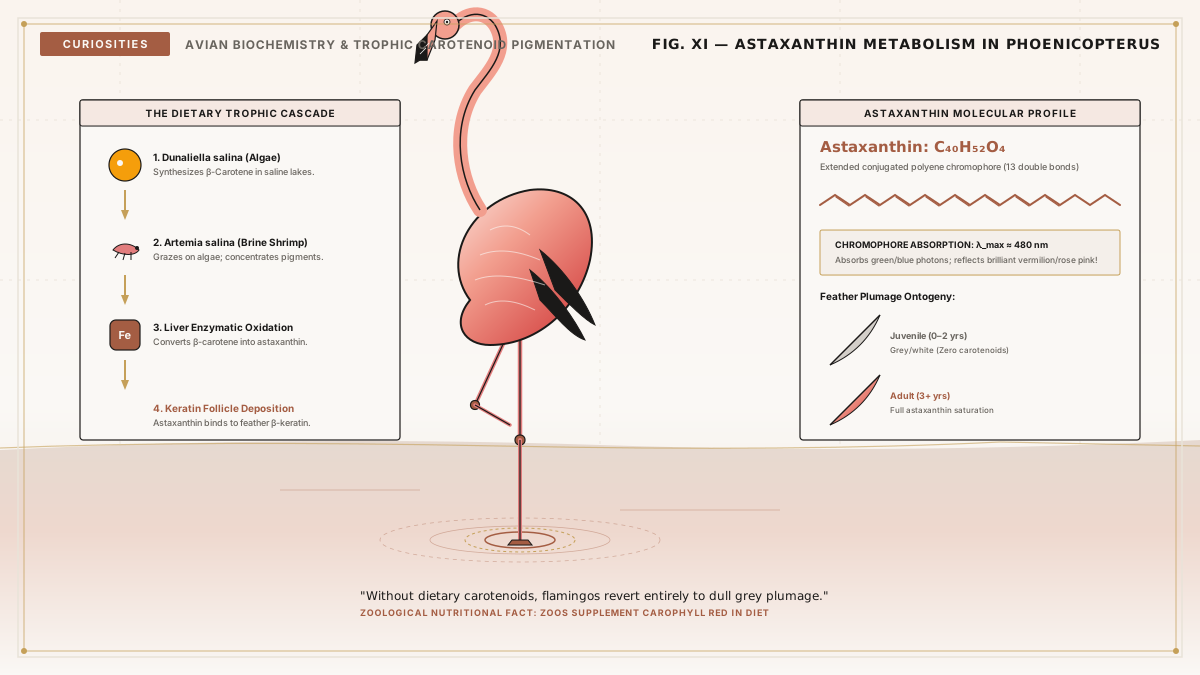 6 min read
Why Flamingo Feathers Turn Pink: Diet, Carotenoids, Color
Flamingos hatch in drab gray and white; their famous pink comes from carotenoid pigments in algae and brine shrimp - without that diet, they fade back to white.
Read Article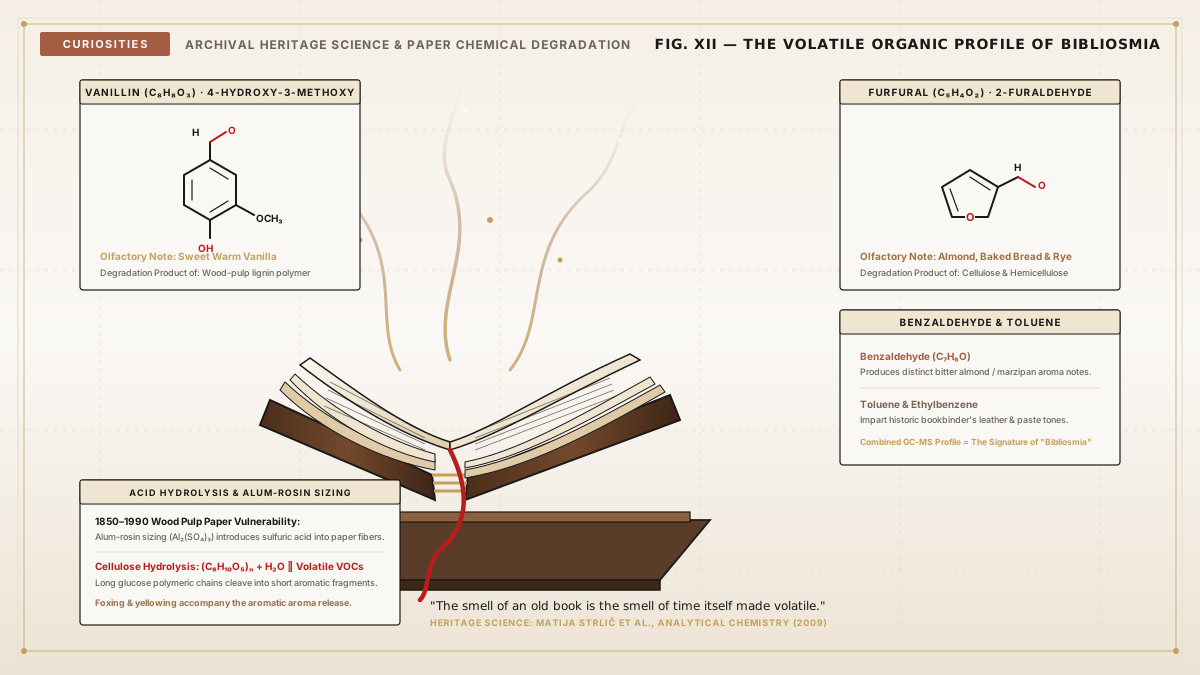 7 min read
Why Old Books Smell Distinctive: The Chemistry of Decay
That warm vanilla-and-almond scent of antique books is chemistry in action: degrading paper releases vanillin and other compounds that bibliophiles treasure.
Read Article