
Science
Explaining real scientific principles, cosmic mysteries, and natural laws.
Page 2 of 4
 7 min read
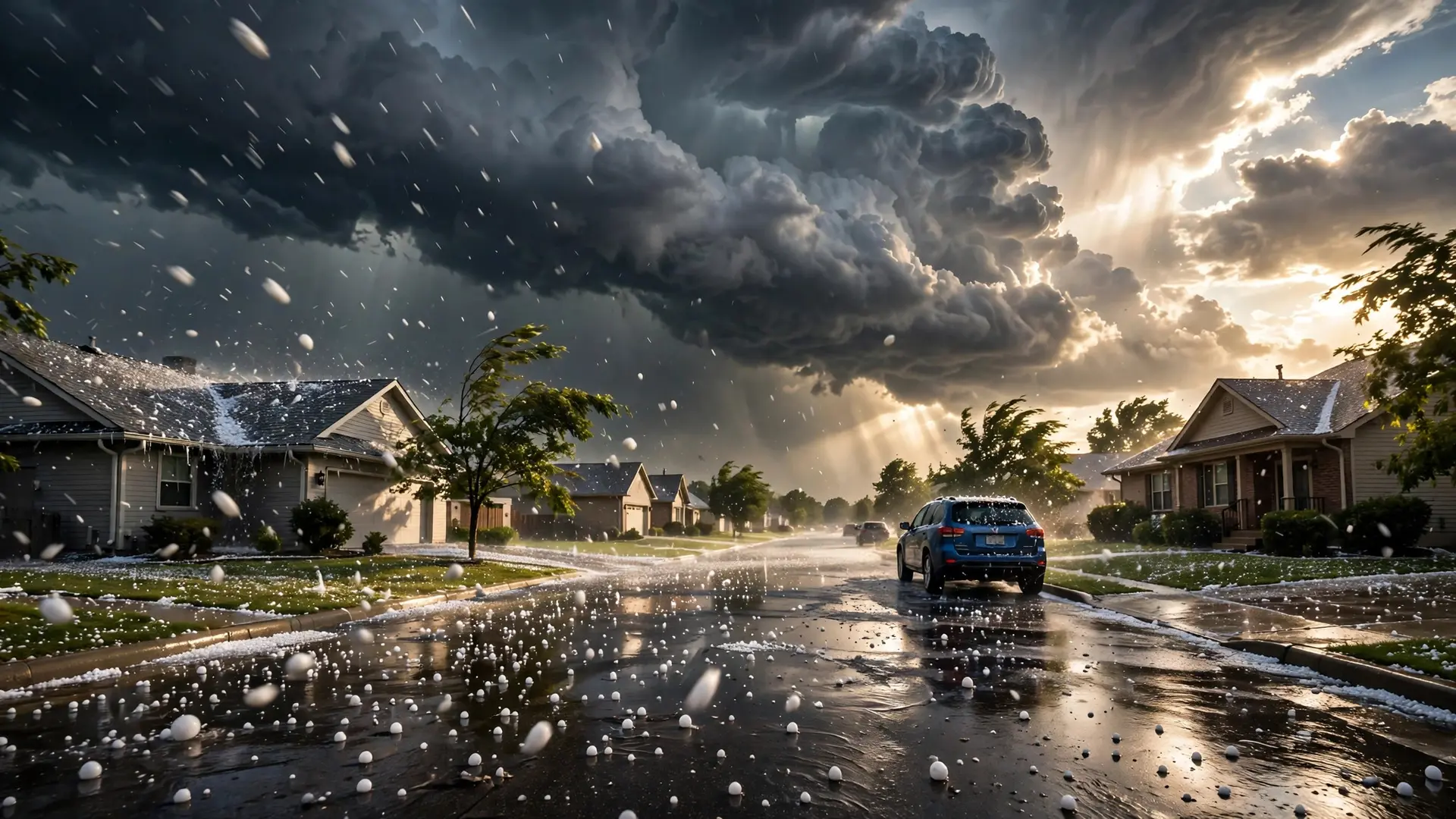
Why Does Hail Form in Warm-Weather Storms?
Warm days feed the fiercest hailstorms: strong updrafts lift rain into freezing cloud tops, where supercooled drops freeze into layered ice stones.
Read Article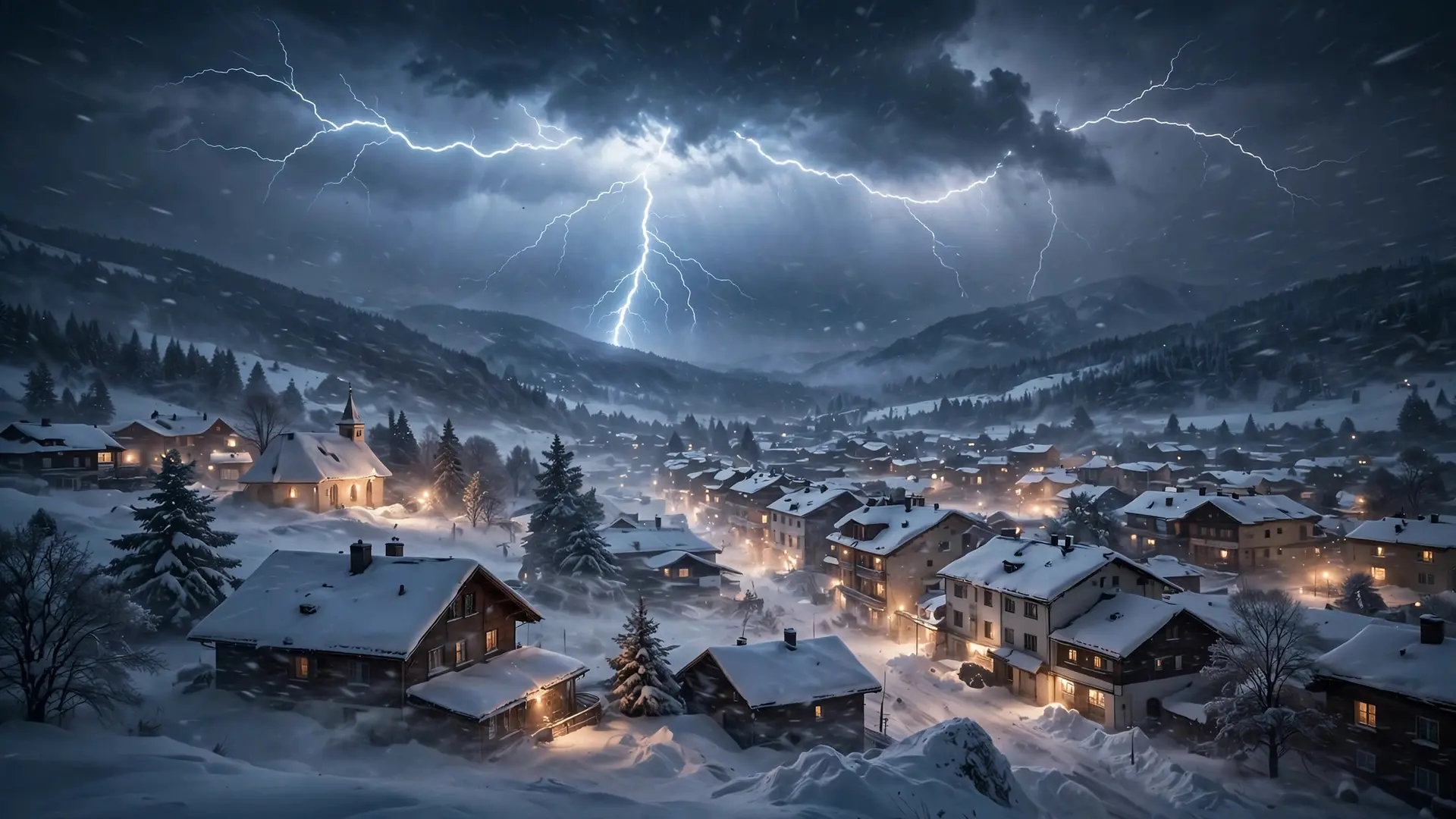 6 min read
What Causes Thundersnow in Winter Storms?
Thundersnow is a thunderstorm that drops snow instead of rain. Here is the rare mix of instability, moisture and lift that lets a winter storm build lightning.
Read Article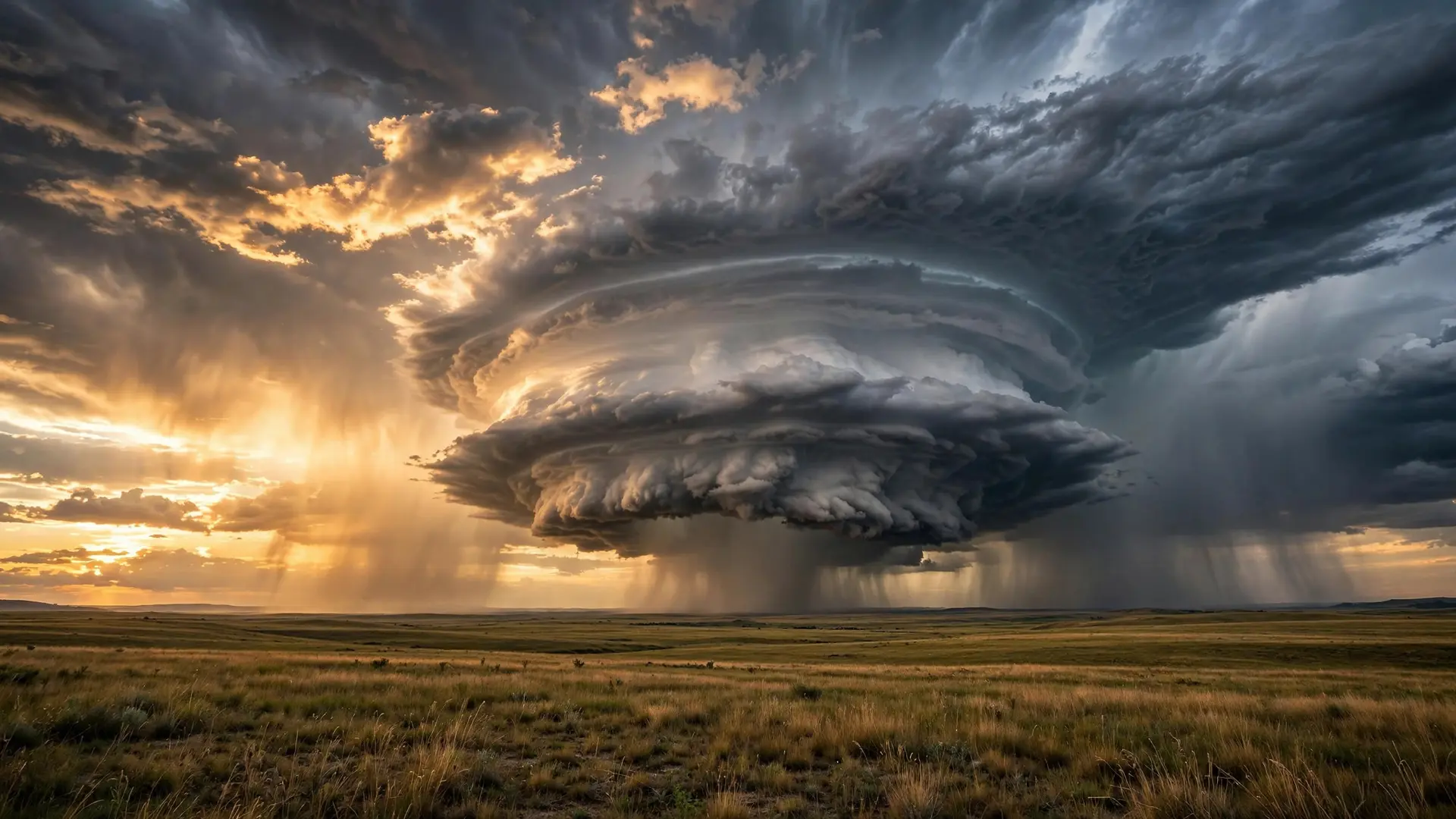 8 min read
What Is a Supercell Thunderstorm, Exactly?
A supercell is a thunderstorm with a spinning updraft that can live for hours. Learn how wind shear builds it and why it produces tornadoes and giant hail.
Read Article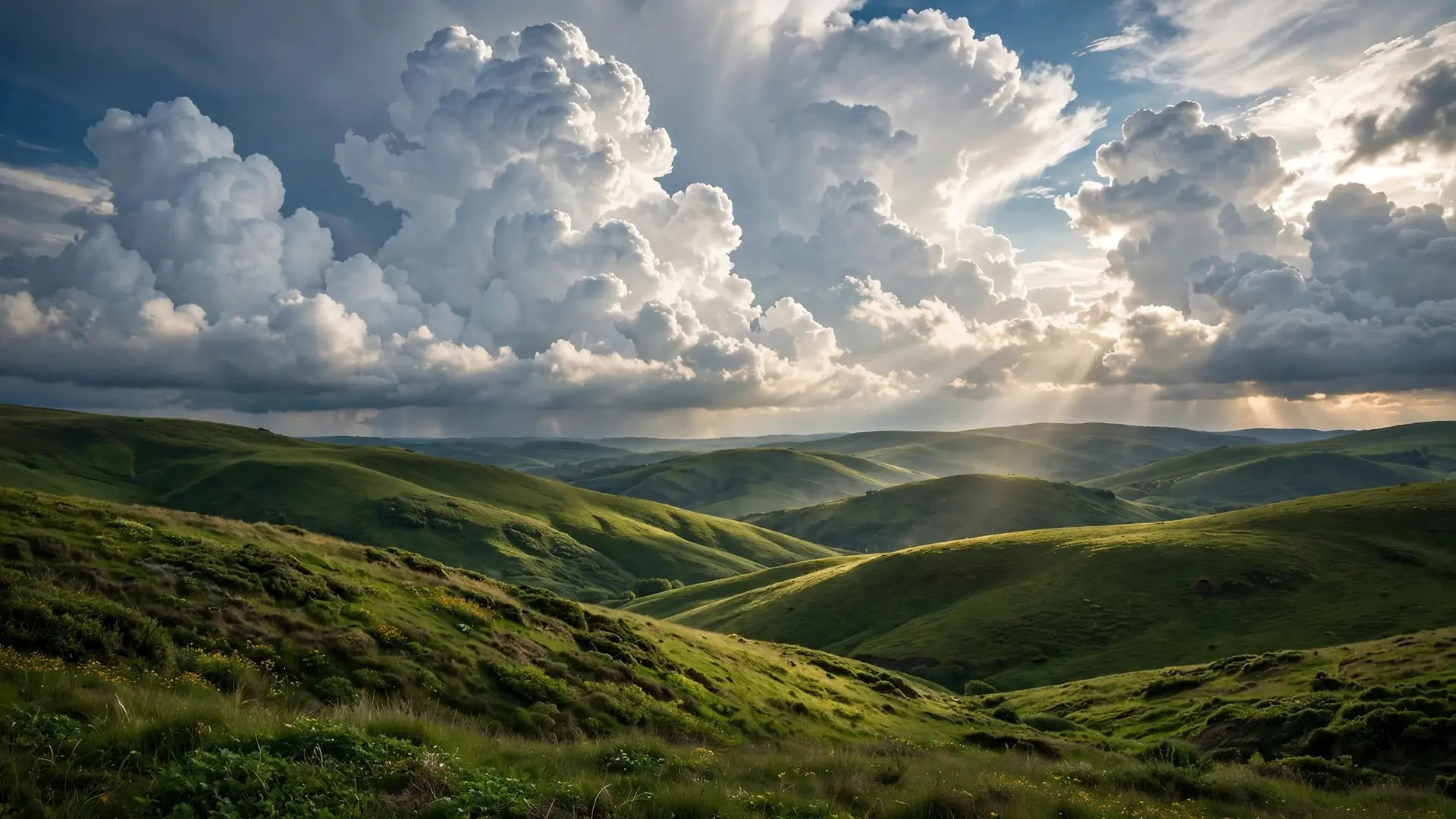 7 min read
Why Do Clouds Float If They Hold Tons of Water?
A cloud looks like a solid, floating object, yet it is made of falling water. Discover why tiny droplets, rising air and constant renewal keep clouds aloft.
Read Article 6 min read
Why Do Double Rainbows Reverse Their Colors?
A double rainbow's outer bow runs its colors backward: violet outside, red inside. The flip comes from a second bounce of sunlight inside each raindrop.
Read Article 7 min read
Why Does the Sky Turn Orange at Sunset Time?
Sunsets glow orange because sunlight takes a longer path through the air at day's end. Learn how scattering, dust and clouds paint the evening sky.
Read Article 6 min read
What Are Red Sprites, the Lightning Above Storms?
High above thunderstorms, brief crimson flashes flicker in the mesosphere. Here is what triggers red sprites, why they glow red, and how NASA studies them.
Read Article 5 min read
What Is St. Elmo's Fire? The Physics of the Glow
Sailors watched it dance on masts; pilots see it on windscreens. St. Elmo's fire is glowing plasma, not fire — here is the physics behind the phenomenon.
Read Article 6 min read
How Do Mirages and Fata Morgana Trick the Eye?
A mirage never lies — your brain does. One rule of physics, that light bends toward colder air, explains desert water, floating ships, and phantom castles.
Read Article 5 min read
What Are Gravitational Waves, and How Were They Found?
Ripples in spacetime, predicted by Einstein in 1916 and caught by LIGO in 2015 — by sensing a 4-km arm change less than a proton's width. A new cosmic sense.
Read Article 5 min read
Why Iceland Has So Many Volcanoes, Explained
Iceland is the only place where a mid-ocean ridge meets a deep mantle plume — a double magma supply that explains its 2021 Reykjanes awakening.
Read Article 6 min read
Why the Moon Looks Bigger on the Horizon, Explained
The horizon Moon is 6,400 km farther from you — photographs prove it never grows. So why does it look enormous? Science has theories, but no final answer.
Read Article 6 min read
What Is a Moonbow, and How Do You See One?
A moonbow is a rainbow lit by the moon instead of the sun. Learn why it glows white, what rare conditions create one, and where to see this ghostly night arc.
Read Article 6 min read
Why Is the Speed of Light the Universe's Speed Limit?
Light's 299,792,458 meters per second is more than a velocity — it's the universe's top speed. Here's the physics that keeps everything, always, below it.
Read Article 7 min read
Noctilucent Clouds: Why the Sky Glows After Sunset
These eerie blue clouds hover 82 km above Earth, glowing long after sunset. Discover how meteor dust, ice crystals, and ozone paint the summer twilight sky.
Read Article 7 min read
Why Viruses Are So Hard to Kill: The Science
Antibiotics can't touch viruses, drugs struggle to hit them, and some never leave. Explore why viruses hide inside cells, mutate fast, and resist cures.
Read Article 6 min read
How Antibiotics Kill Bacteria: The Main Drug Families
Antibiotics kill bacteria four ways: smashing walls, jamming protein factories, breaking DNA, starving cells of folic acid. Here is how each drug family works.
Read Article 6 min read
Is Ball Lightning Real? What Scientists Know
Ball lightning is a strange sky phenomenon: glowing spheres reported for centuries. In 2014 scientists captured the first spectrum — here is what it revealed.
Read Article 6 min read
The Green Flash: The Sunset Phenomenon Explained
For a second at sunset, the sun's upper edge can flash emerald green. Refraction splits sunlight into colors while a mirage widens the green sliver.
Read Article 6 min read
The Strange World of Antimatter, Explained
Every particle has an antimatter twin, and when the two meet they vanish into pure energy. Here is what antimatter is, where it exists, and why it matters.
Read Article 6 min read
What Causes Halos and Sun Dogs Around the Sun?
Halos and sun dogs are sunlight bent by hexagonal ice crystals high overhead. The ring always sits 22 degrees from the sun — and physics explains why.
Read Article 6 min read
Why Do Humans Age? The Biology of Growing Old
Aging is damage accumulating across our cells: telomeres shorten, DNA takes hits, retired cells linger. Scientists map it as nine interlocking hallmarks.
Read Article 7 min read
The Physics Behind Rainbows: Why Sunlight Splits Into Color
A rainbow is not an object but a cone of light aimed at your eye. See how raindrops bend, reflect, and split sunlight — and why each bow spans 42 degrees.
Read Article 7 min read
What Causes Lightning? The Physics Behind the Flash
Colliding ice crystals turn a storm cloud into a charged battery. Here is how that charge reaches a hundred million volts, and why thunder trails the flash.
Read Article