
The Archives
397 enduring inquiries, newest first. Browse by topic or explore chronologically.
Page 9 of 17
 science6 min read
The Strange World of Antimatter, Explained
Every particle has an antimatter twin, and when the two meet they vanish into pure energy. Here is what antimatter is, where it exists, and why it matters.
Read Article curiosities6 min read
Why Do We Blow Out Birthday Candles at All?
The candle-blowing ritual is well documented but surprisingly young: 18th-century Germany's Kinderfest, a Swiss folklore journal, and a Disney short explain it.
Read Article geography5 min read
Death Valley: Why Is It So Extremely Hot?
Death Valley holds Earth's hottest air-temperature record: 134°F at Furnace Creek. Its secret isn't desert heat, but a below-sea-level basin that traps it.
Read Article technology6 min read
How a Microwave Oven Actually Heats Your Food
A microwave doesn't heat like an oven — its magnetron shakes water molecules with an electric field until friction makes heat. Physics and quirks explained.
Read Article history6 min read
How Did the Inca Fit Stones Without Mortar?
Inca masons cut each stone to match its neighbors with hammerstones and tracing, letting gravity close the joint. Here is how their mortarless walls were built.
Read Article discoveries7 min read
How Hubble Discovered the Expanding Universe
Edwin Hubble used the 100-inch Hooker telescope to show that spiral nebulae were distant galaxies — and that the farther they are, the faster they recede.
Read Article discoveries8 min read
How Mendeleev Created the Periodic Table
In 1869, while writing a chemistry textbook, Mendeleev sorted the elements on cards by atomic weight — leaving blank spaces for elements nobody had found yet.
Read Article technology6 min read
How Streaming Services Shrink a Whole Movie
A raw 1080p movie needs over a gigabit per second. Streaming fits it through your Wi-Fi by throwing away data your eyes will never miss — here's how.
Read Article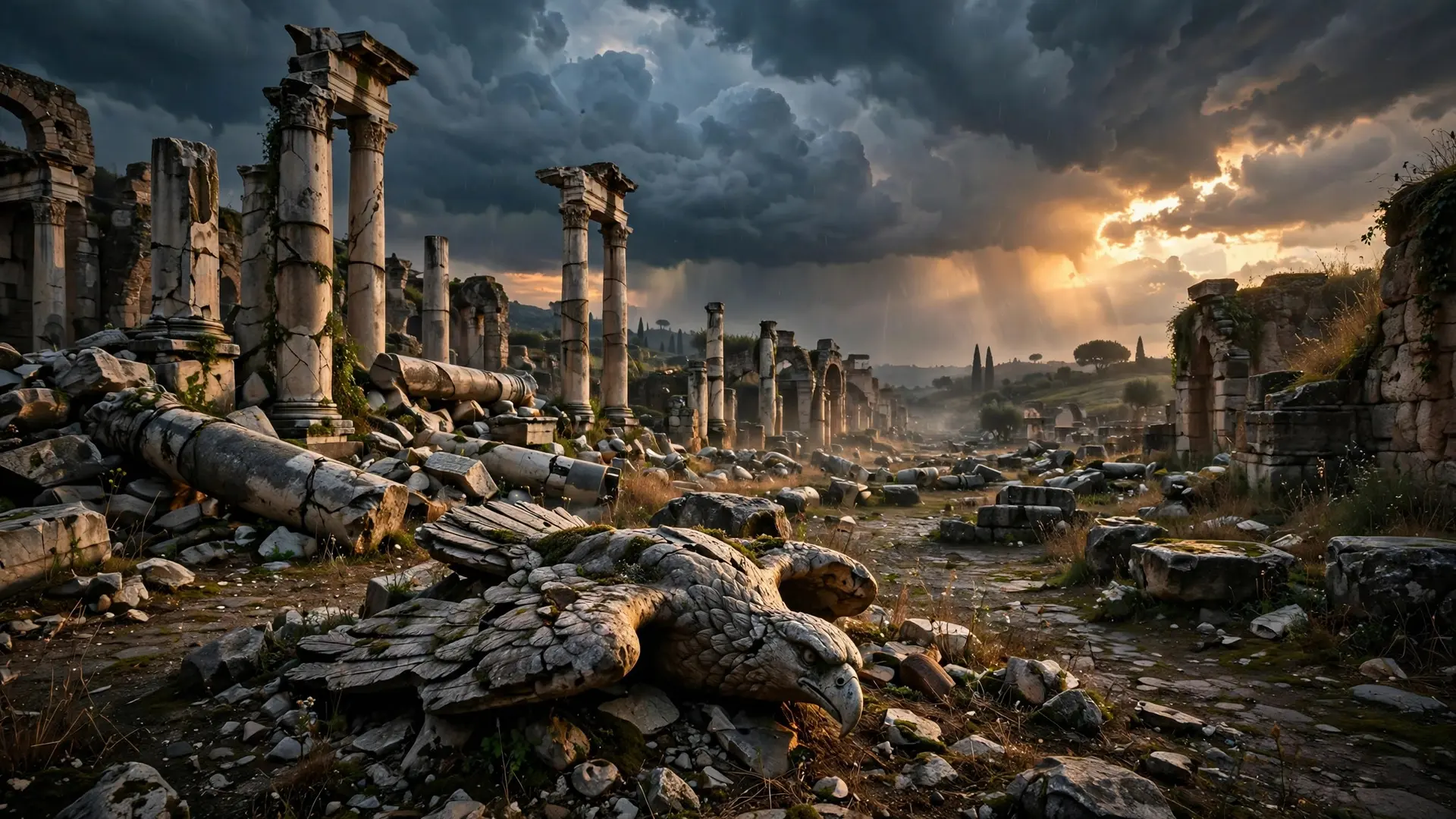 history6 min read
The Fall of the Western Roman Empire, Explained
In 476 a Germanic general deposed the last Western emperor — but Rome's fall was a slow unraveling of armies, money and authority, not a single day's collapse.
Read Article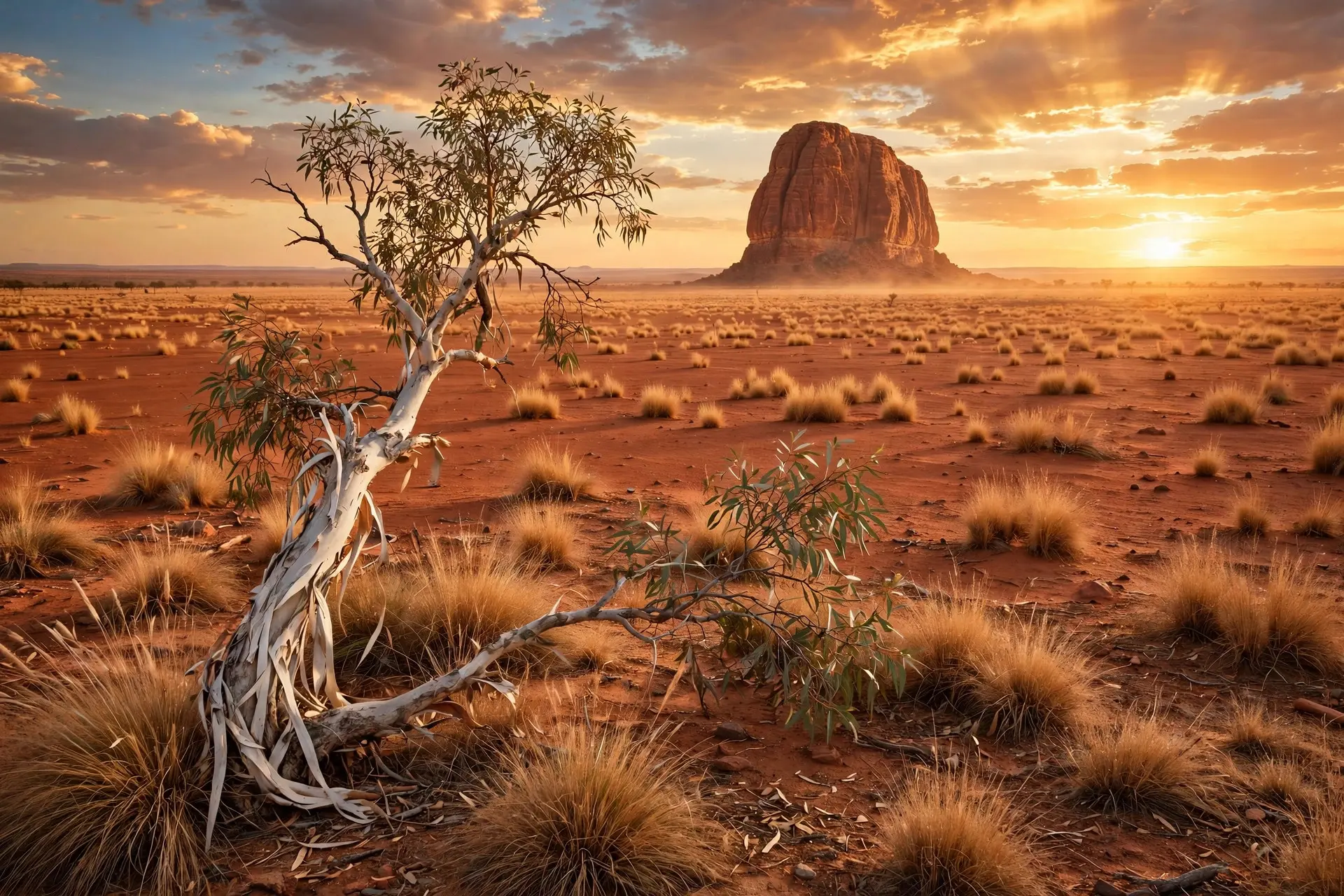 geography5 min read
The Outback: Australia's Vast and Empty Heart
Why Australia's empty heart stays empty: a high-pressure lid starves it of rain, while stations and mines work at enormous scale. 85% hug the coast.
Read Article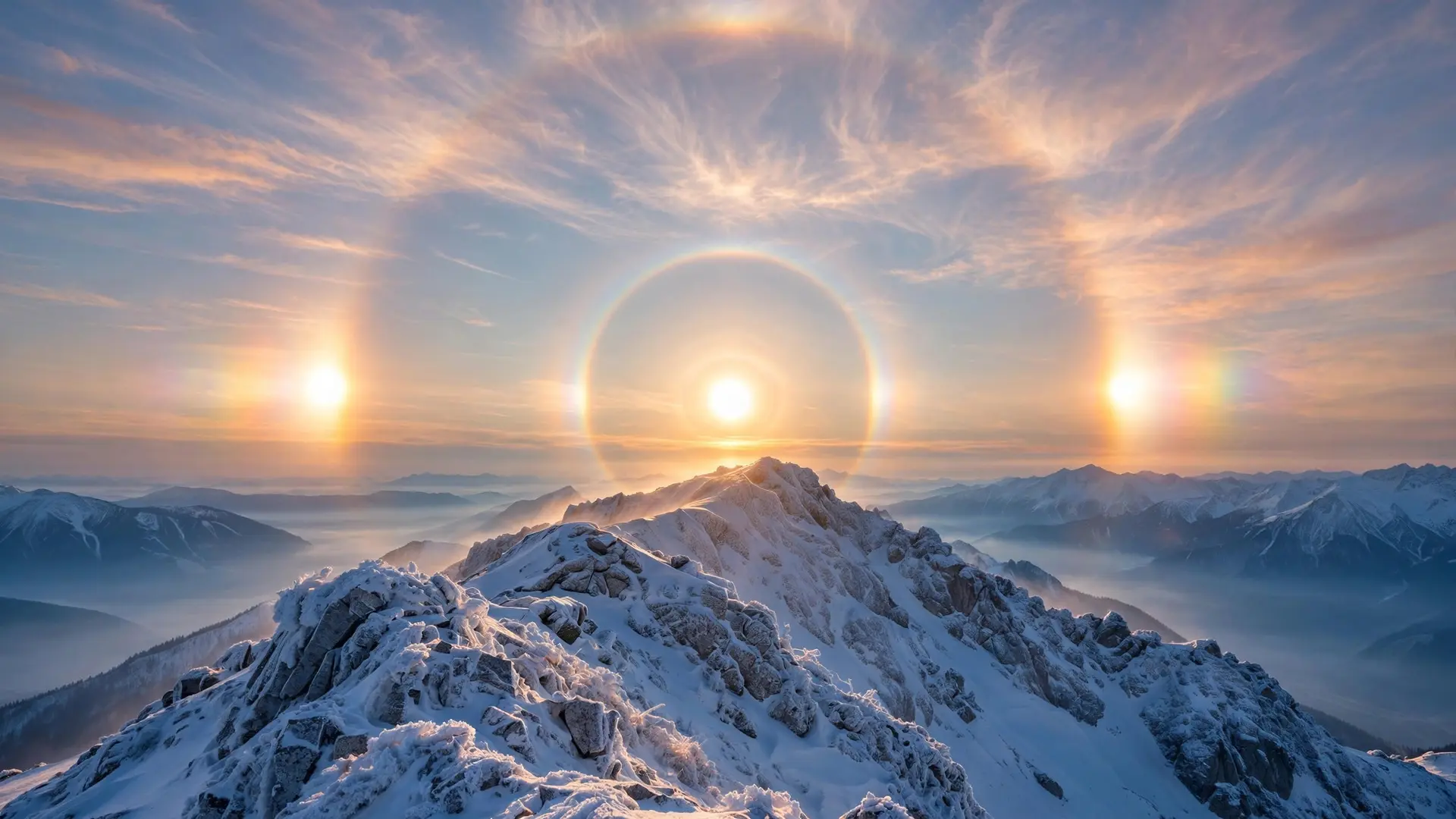 science6 min read
What Causes Halos and Sun Dogs Around the Sun?
Halos and sun dogs are sunlight bent by hexagonal ice crystals high overhead. The ring always sits 22 degrees from the sun — and physics explains why.
Read Article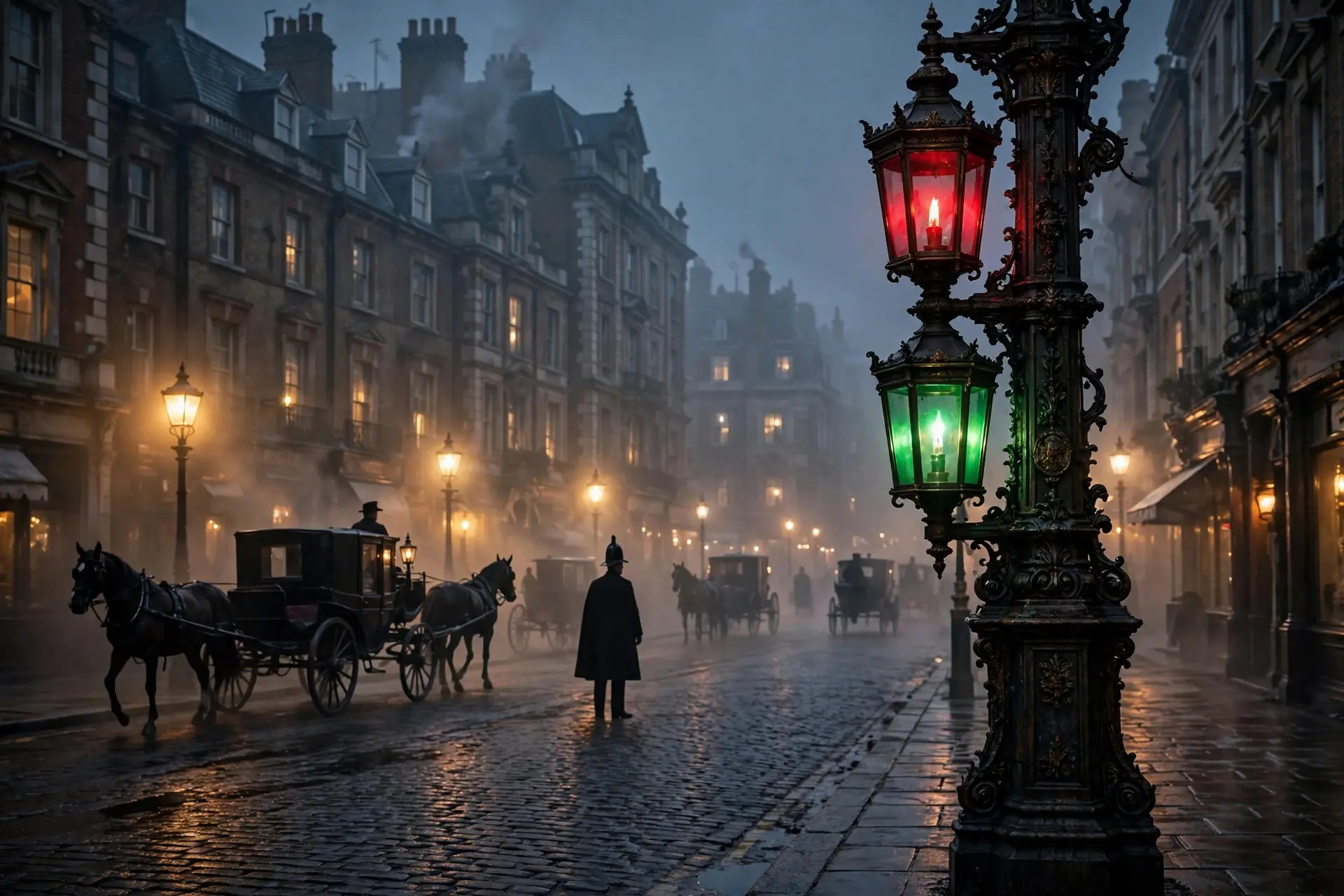 curiosities7 min read
Why Are Traffic Lights Red, Yellow, and Green?
Traffic lights inherited their colors from 19th-century railroads — where the original 'go' light was white, and it caused enough trouble to be abolished.
Read Article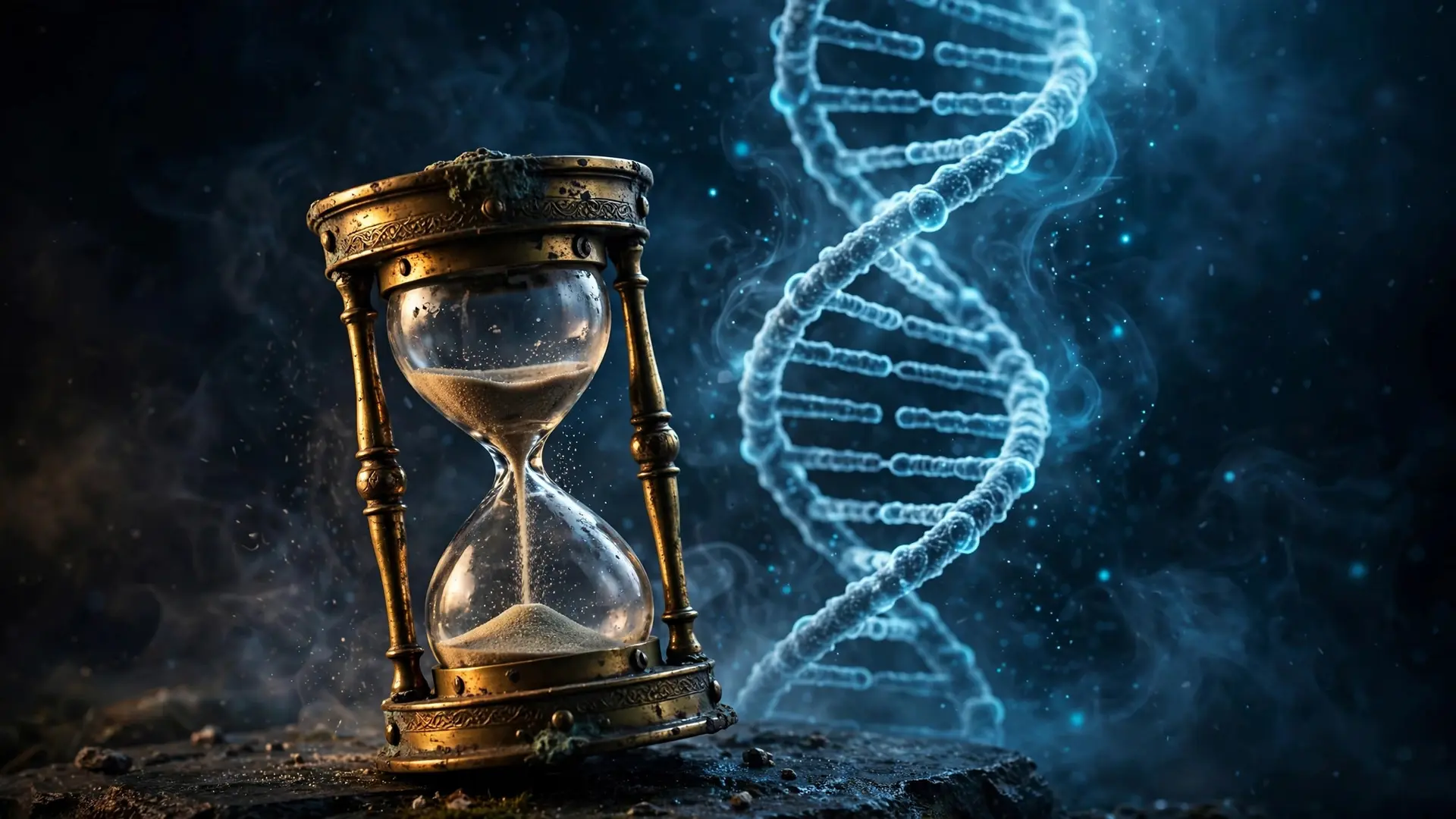 science6 min read
Why Do Humans Age? The Biology of Growing Old
Aging is damage accumulating across our cells: telomeres shorten, DNA takes hits, retired cells linger. Scientists map it as nine interlocking hallmarks.
Read Article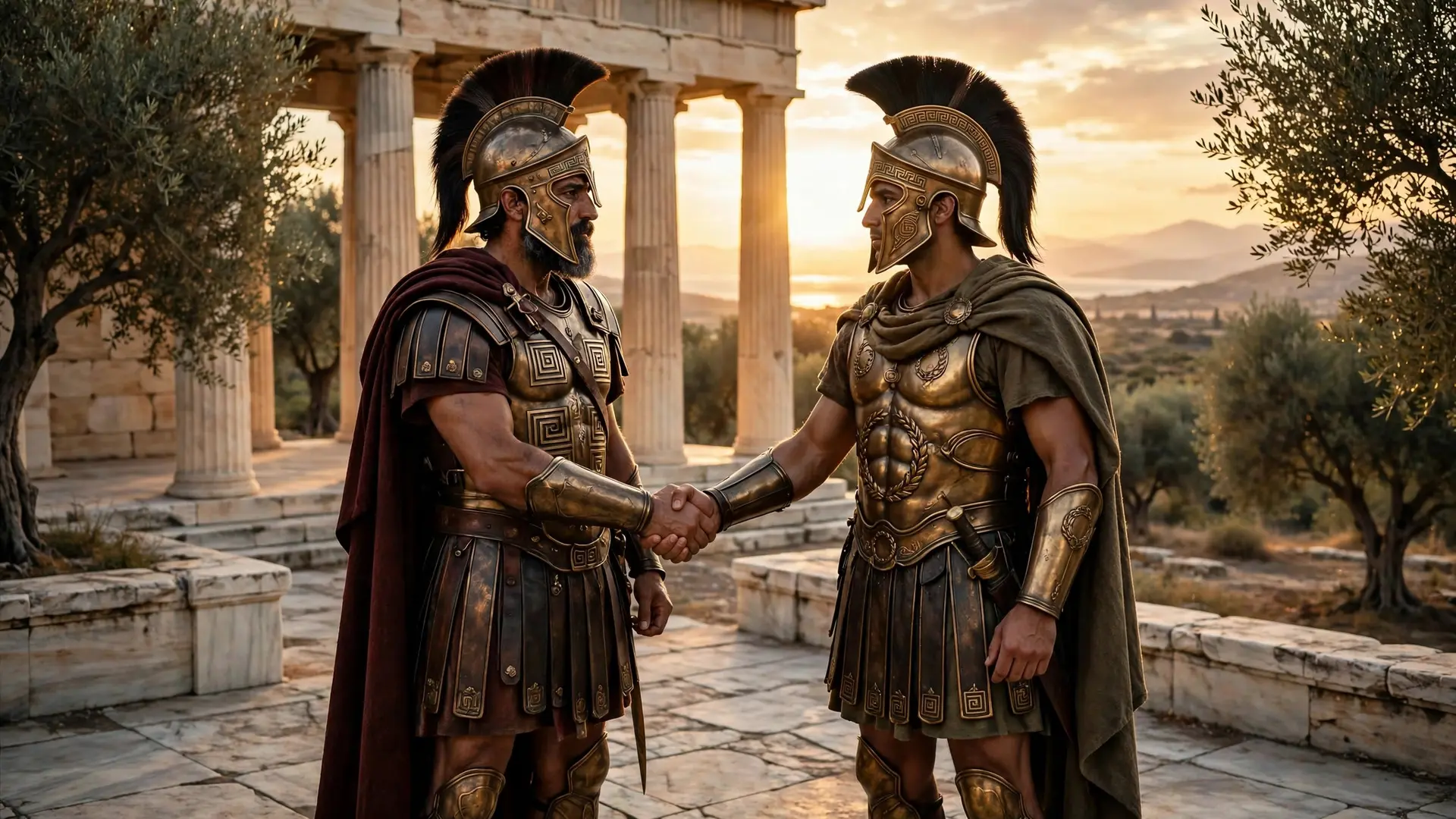 curiosities6 min read
Why Do We Shake Hands as a Greeting? The 3,000-Year Story
The handshake began as a weapon check among armed men — an empty right hand meant no sword. It became an everyday greeting only a few centuries ago.
Read Article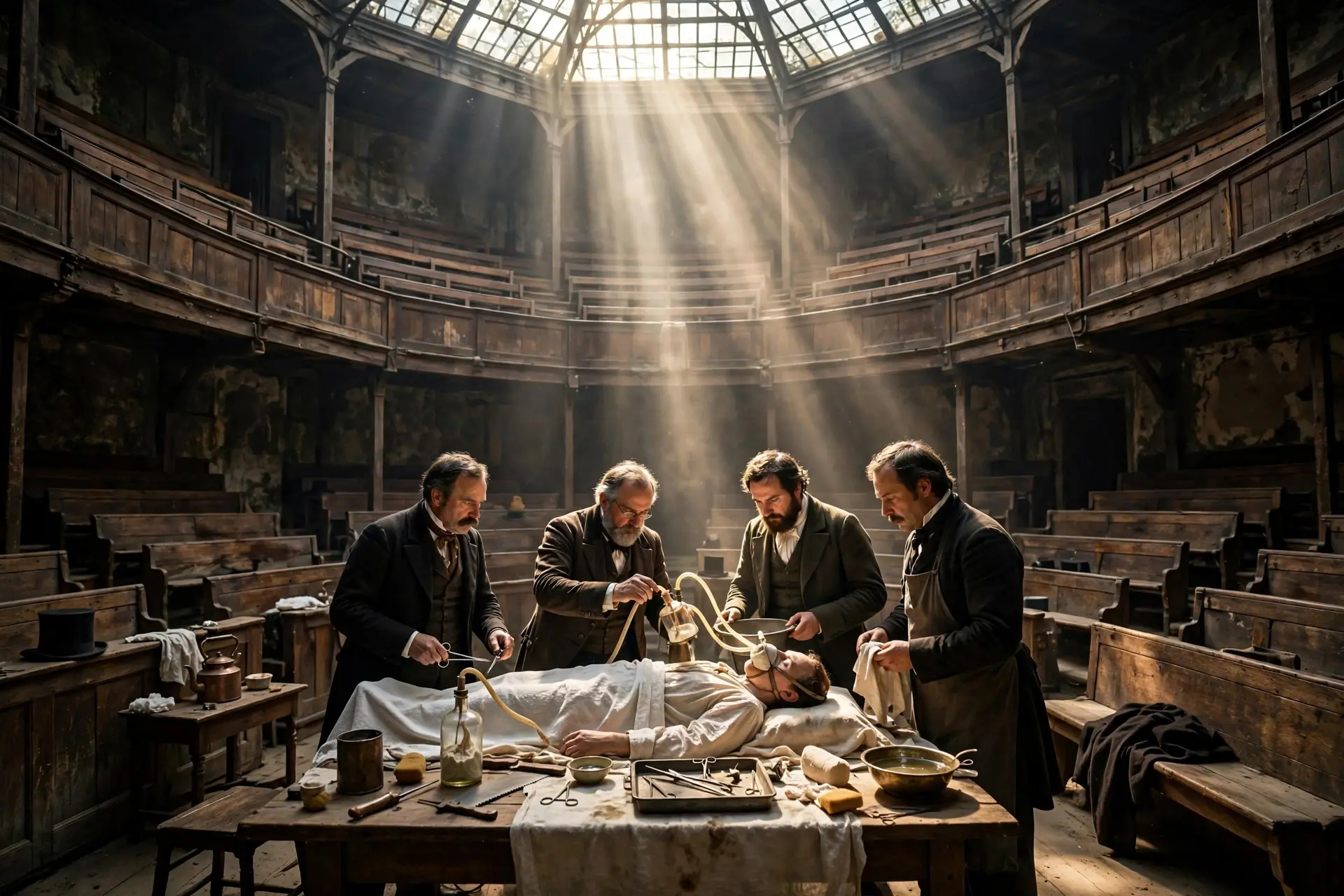 discoveries7 min read
How Anesthesia Made Painless Surgery Possible
In 1846 a Boston dentist proved ether could end surgical pain: the story of anesthesia, from ether frolics and Ether Day to chloroform and painless surgery.
Read Article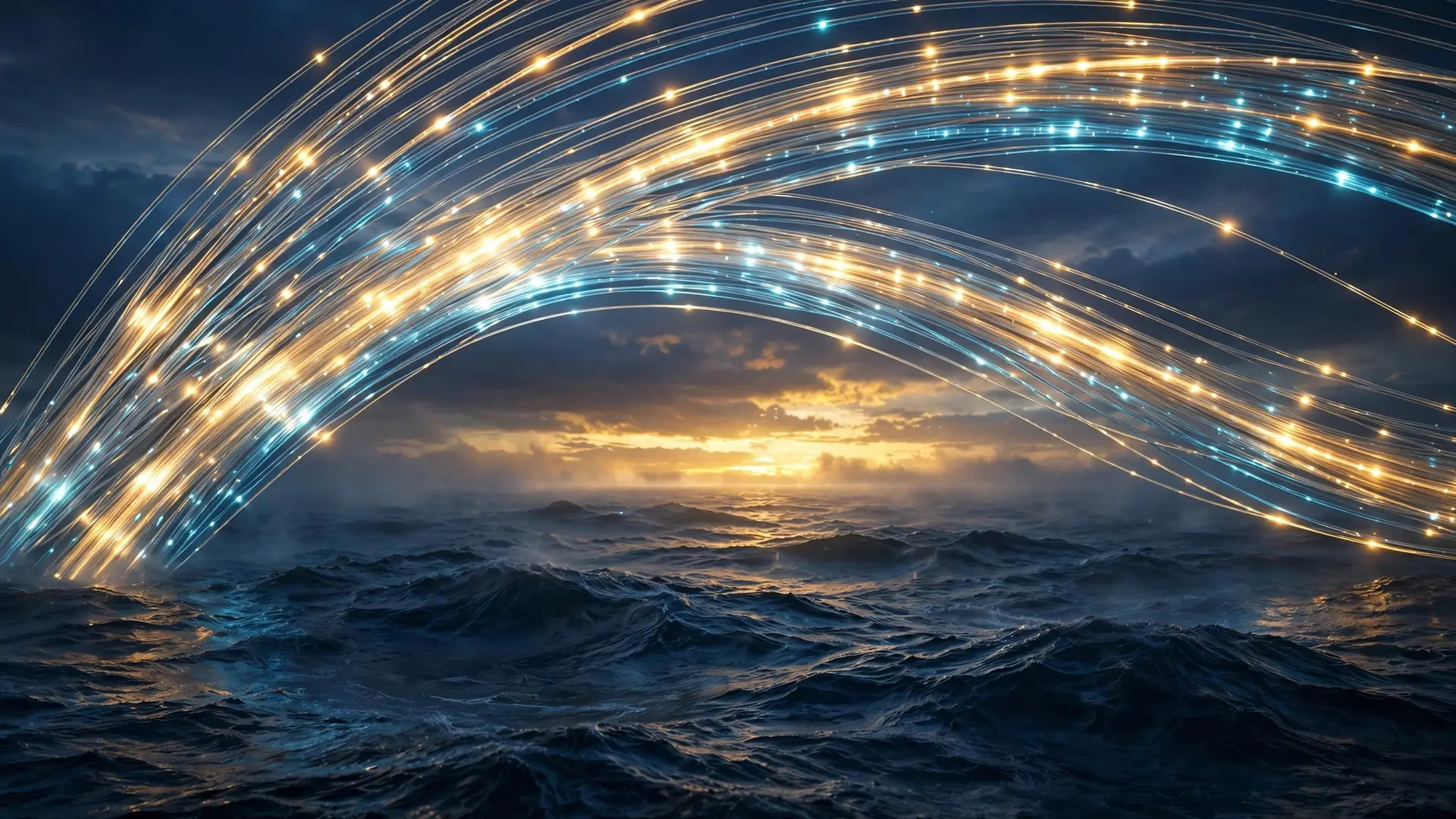 technology6 min read
How Fiber Optic Internet Carries the Web
Light pulses racing through hair-thin glass carry nearly everything you do online. Here is how fiber optics turn light into the internet, and cross the oceans.
Read Article technology6 min read
How Recommendation Algorithms Decide What You See
Every feed is a prediction machine. Discover how collaborative filtering, deep learning models, and your own behavior decide what Netflix and YouTube show you.
Read Article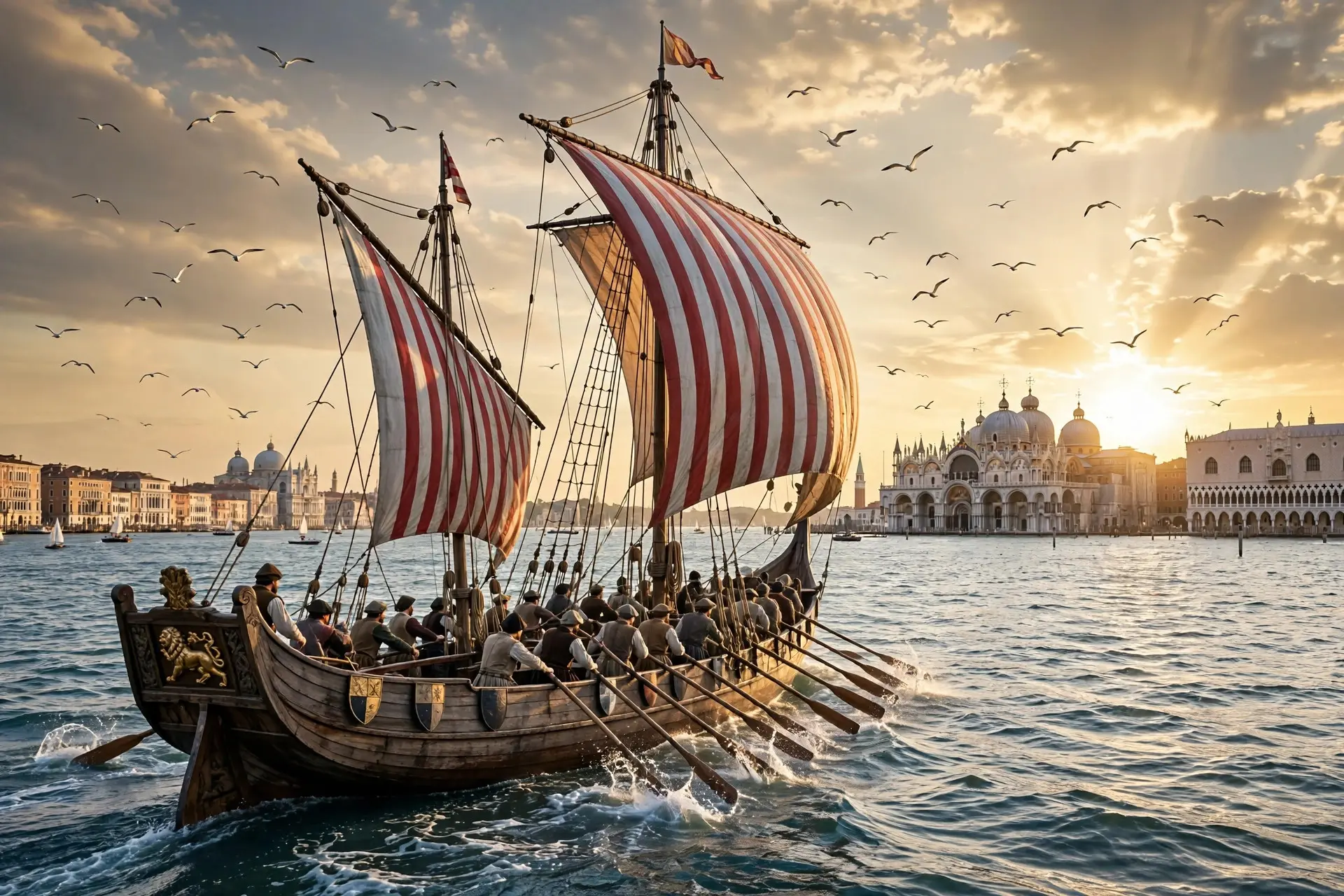 history6 min read
How Venice Built a Maritime Empire That Ruled the Seas
With no farmland and no great army, Venice built a sea empire on shipyards, armed convoys and one extraordinary gamble — the sack of Constantinople.
Read Article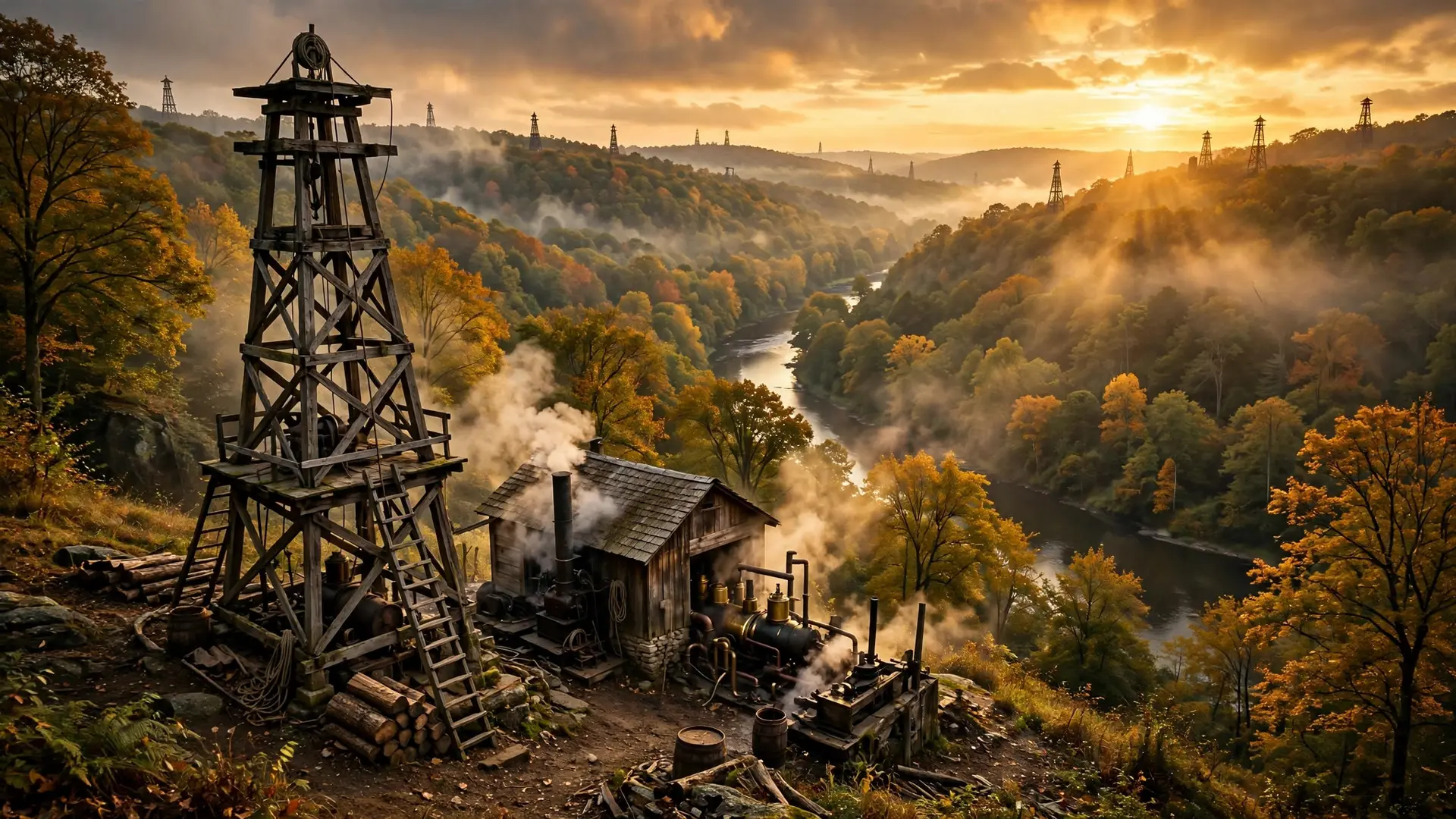 discoveries6 min read
The Discovery of Oil and the Petroleum Age
In 1859 a retired railroad conductor struck oil at 69 feet in Pennsylvania. How petroleum went from lamp fuel to the fuel that powers the modern world.
Read Article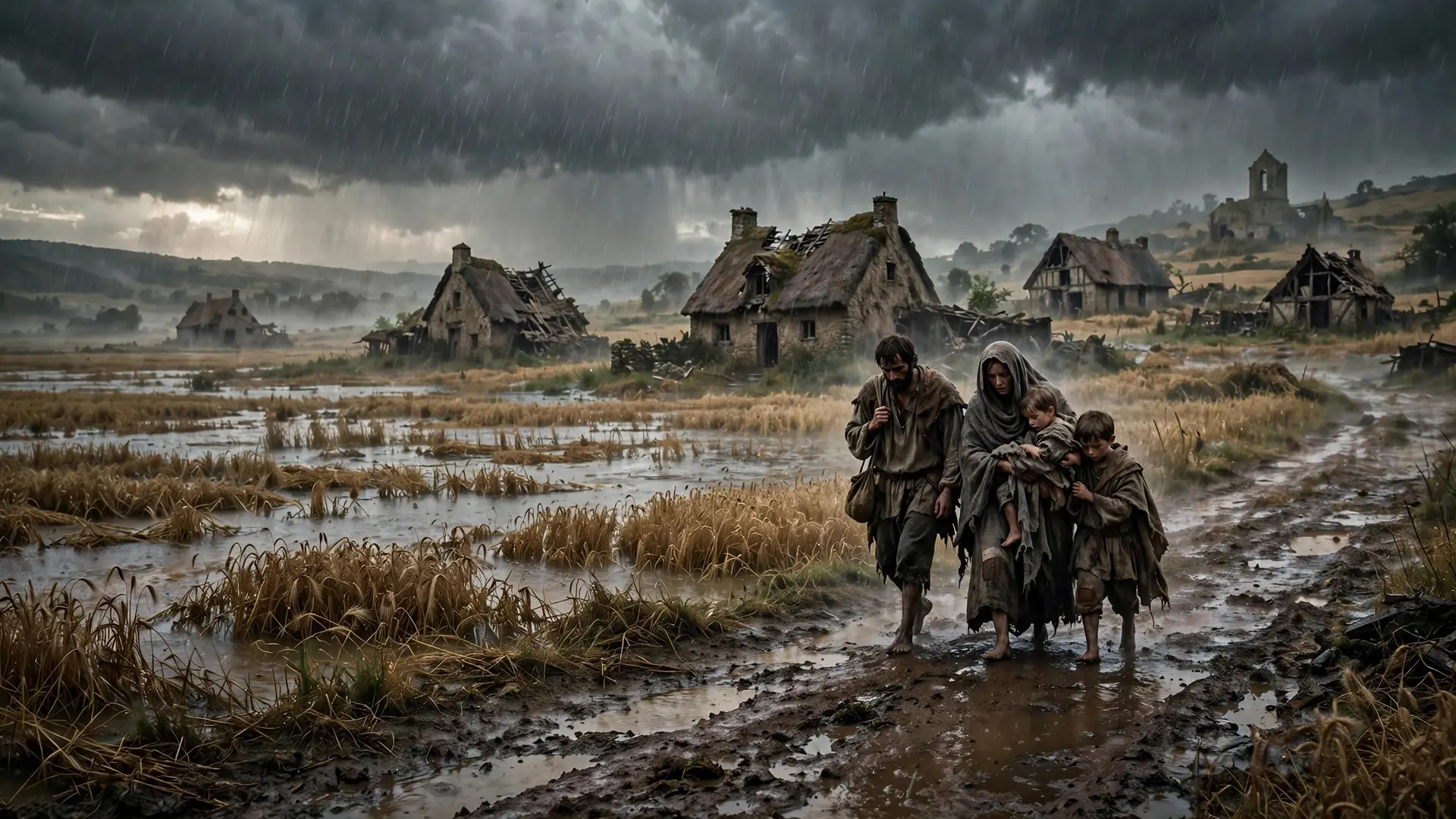 history7 min read
The Great Famine of 1315: Europe's Forgotten Disaster
Relentless rain ruined Europe's harvests in 1315, killing up to a quarter of people in the hardest-hit cities — yet this catastrophe is barely remembered.
Read Article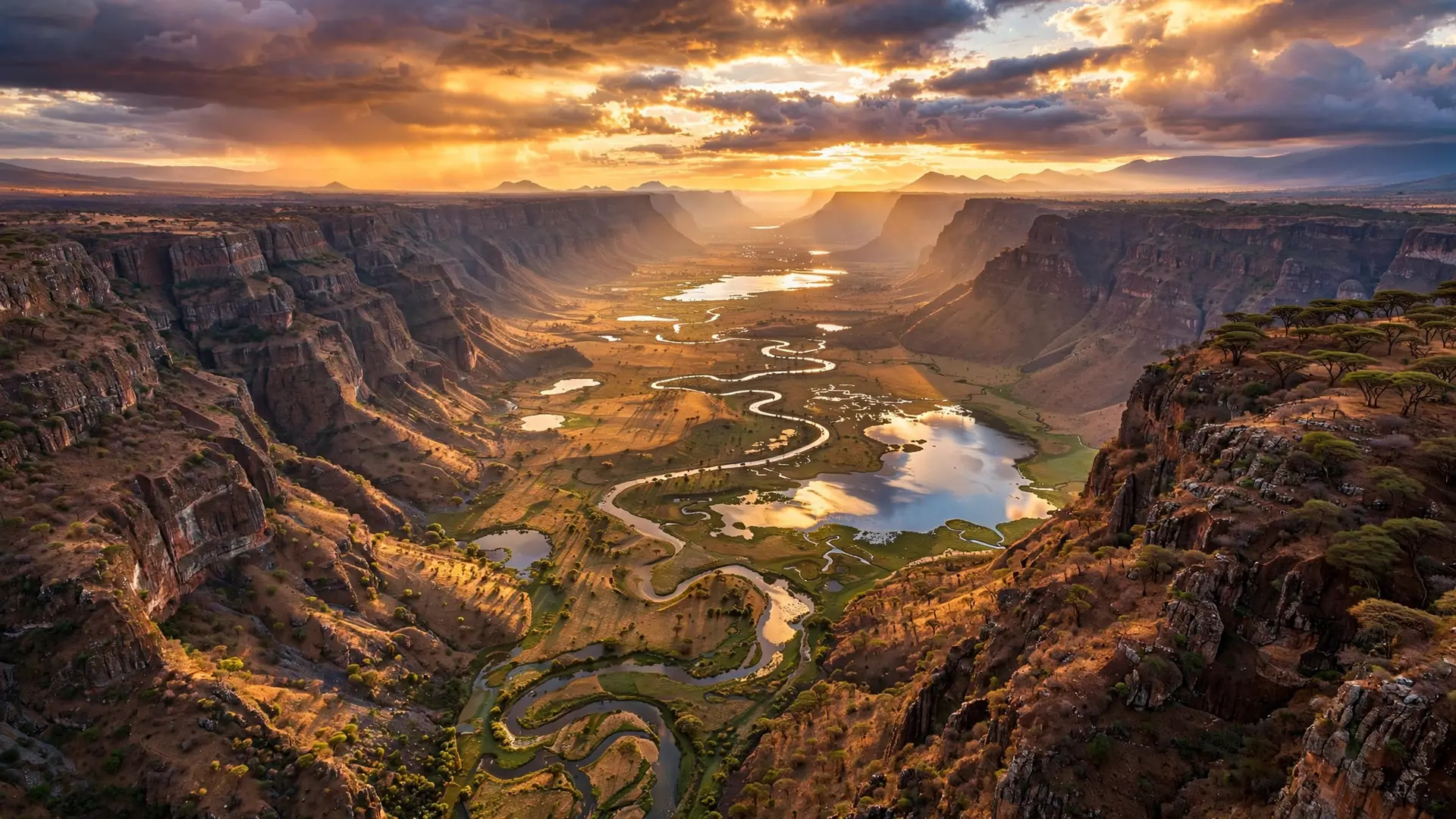 geography7 min read
The Great Rift Valley: Where Africa Is Splitting
The Great Rift Valley is a 6,000-km crack tearing East Africa apart at a few millimeters per year. Explore its geology, fossils, lakes, and future ocean.
Read Article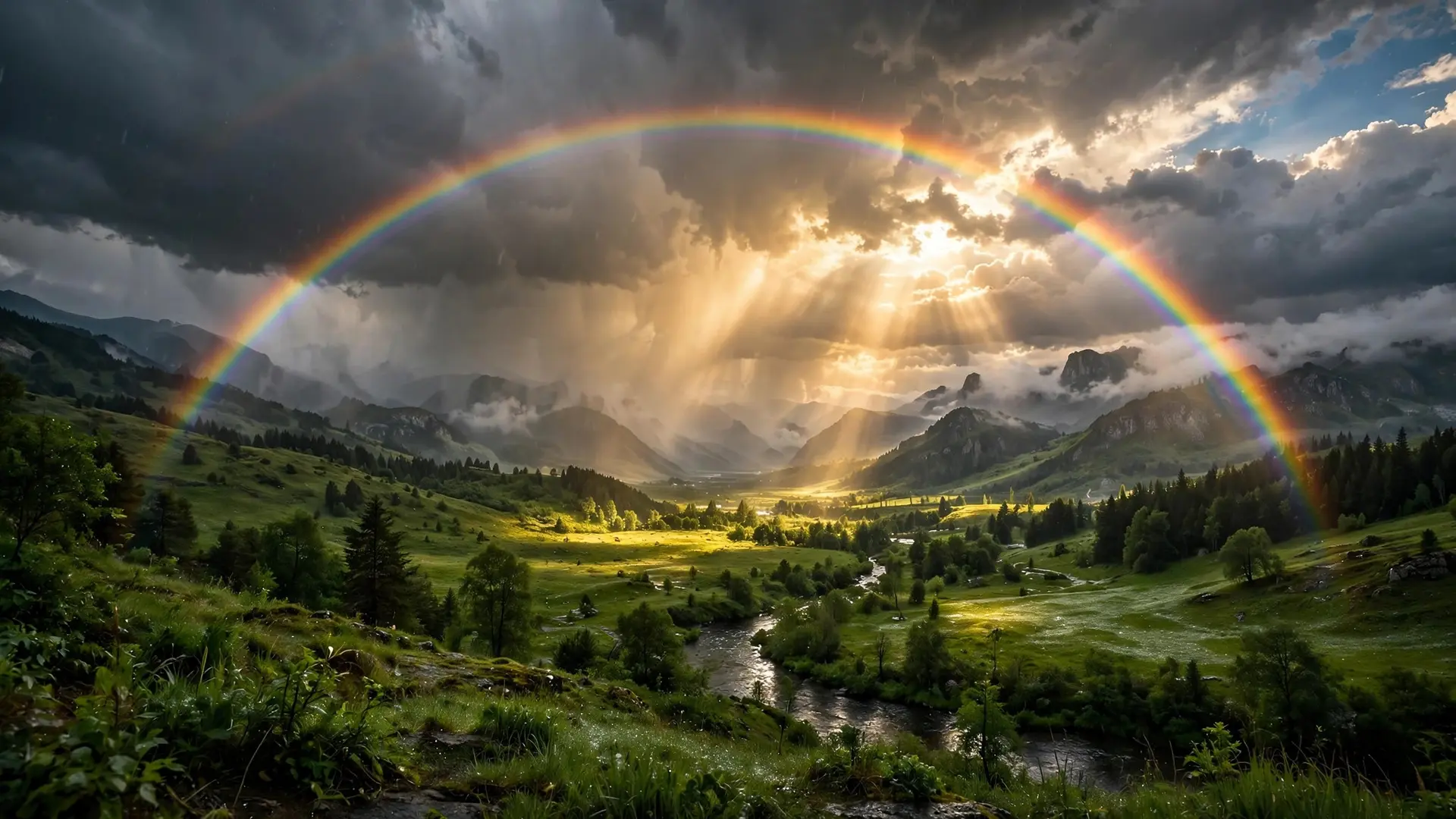 science7 min read
The Physics Behind Rainbows: Why Sunlight Splits Into Color
A rainbow is not an object but a cone of light aimed at your eye. See how raindrops bend, reflect, and split sunlight — and why each bow spans 42 degrees.
Read Article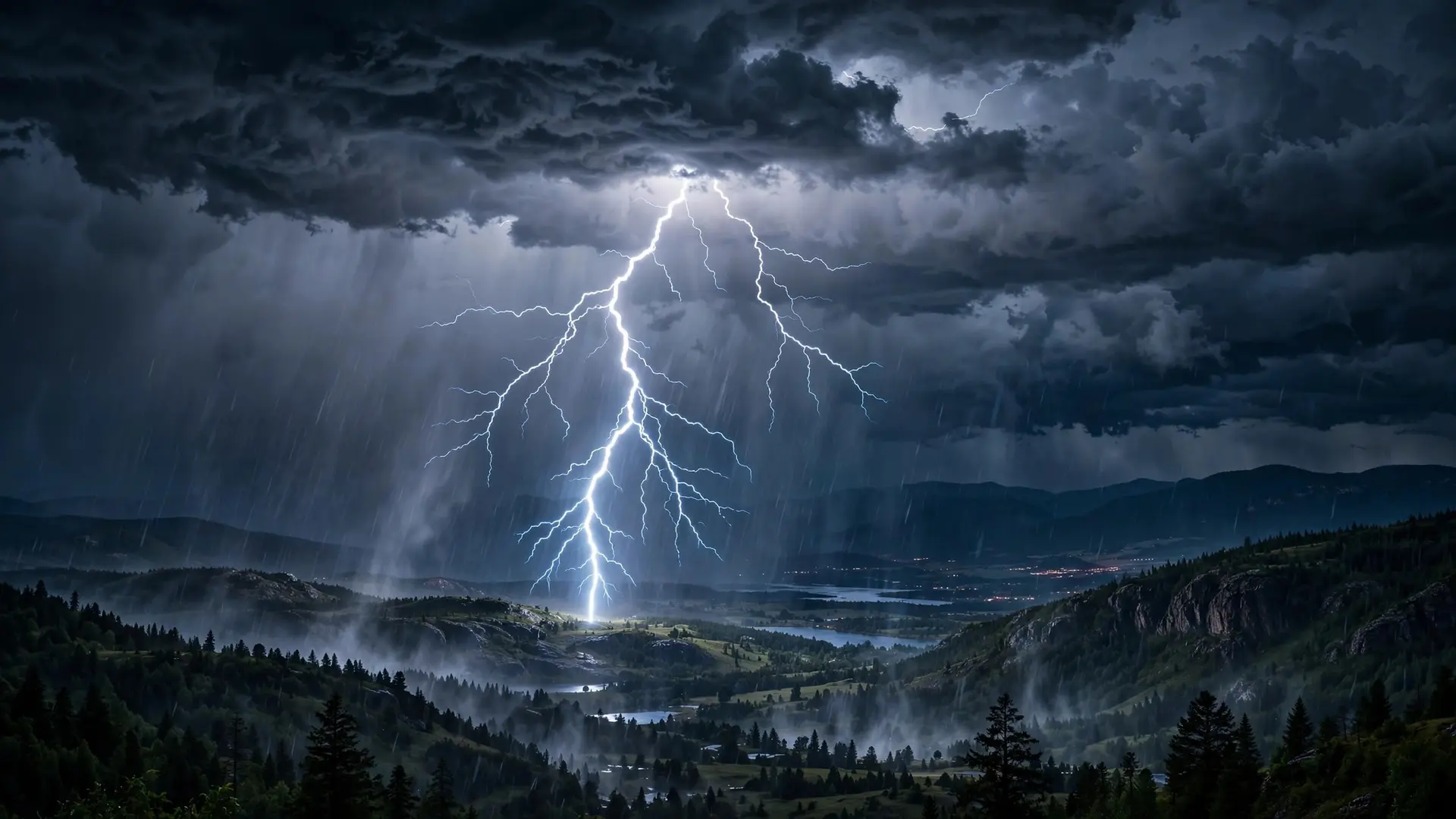 science7 min read
What Causes Lightning? The Physics Behind the Flash
Colliding ice crystals turn a storm cloud into a charged battery. Here is how that charge reaches a hundred million volts, and why thunder trails the flash.
Read Article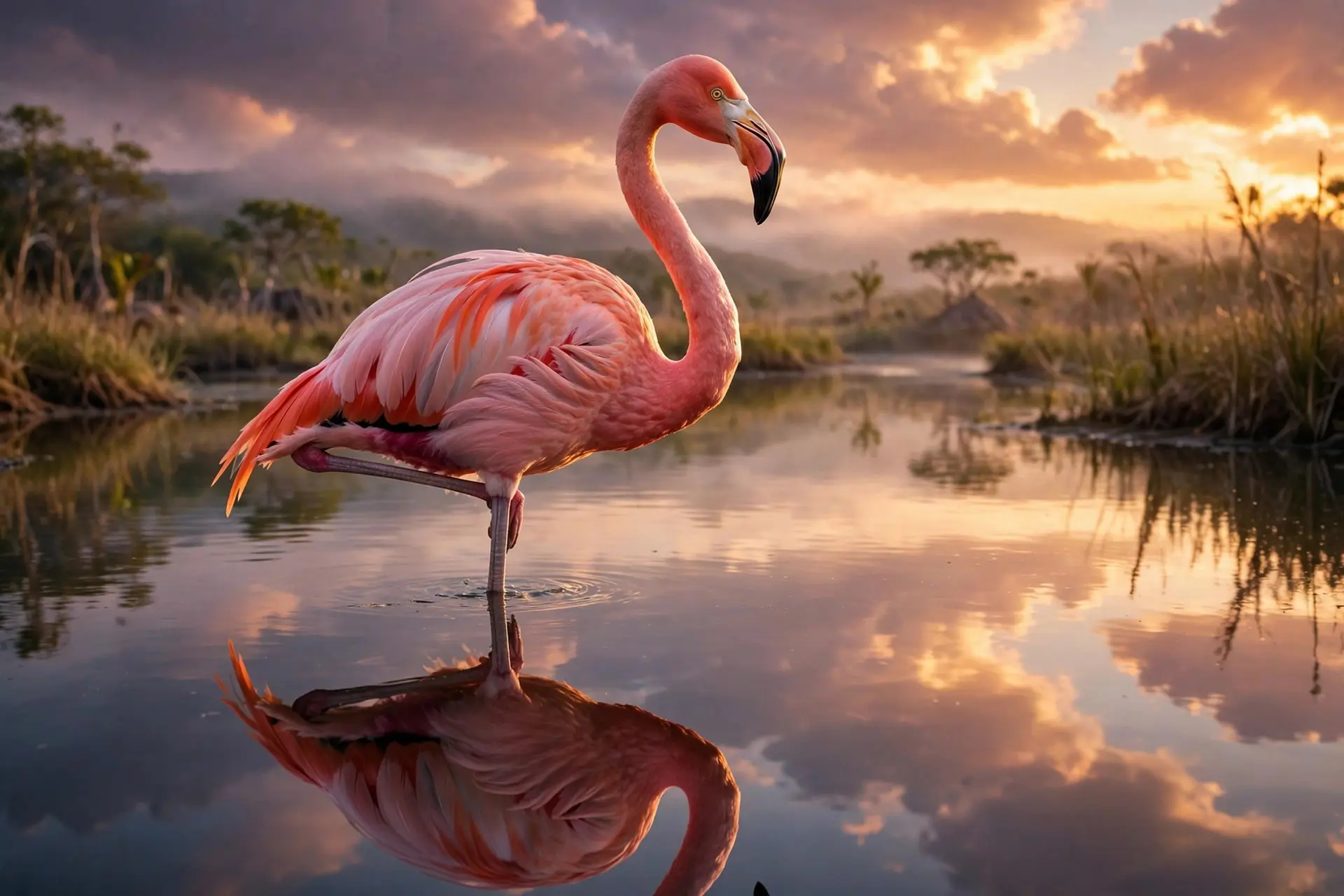 curiosities6 min read
Why Do Flamingos Balance and Sleep on One Leg?
Why do flamingos rest on one leg? Their joints lock into the pose with almost no muscle effort, and tucking the second leg in conserves heat in cold water.
Read Article