
History
Stories, civilizations, events, and ideas that shaped the human world.
Page 3 of 4
 7 min read
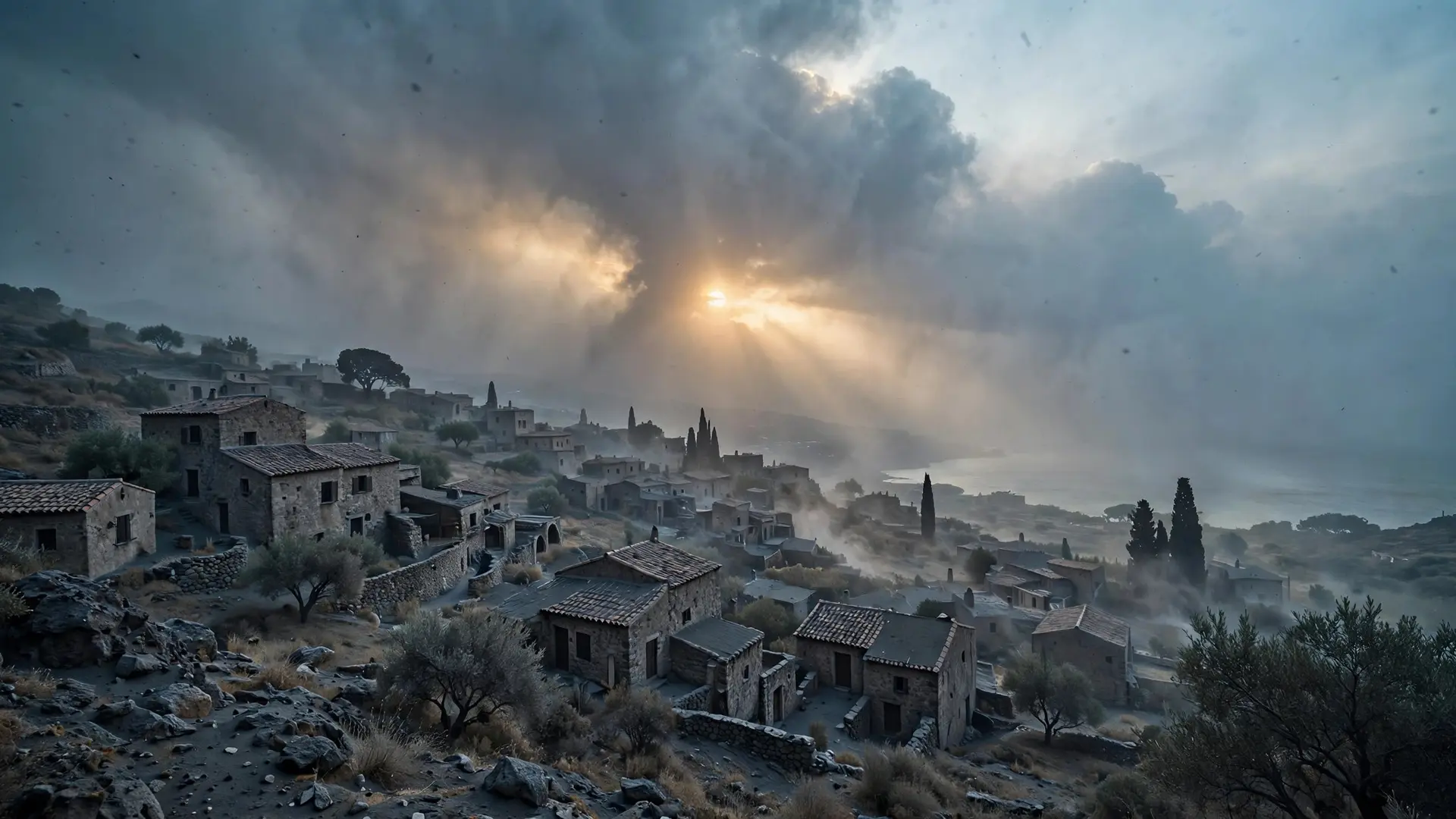
The Year 536: The Worst Year in Human History
In 536 AD, a mysterious volcanic eruption dimmed the sun for 18 months, crashing harvests and freezing summers, triggering a century of famine and collapse.
Read Article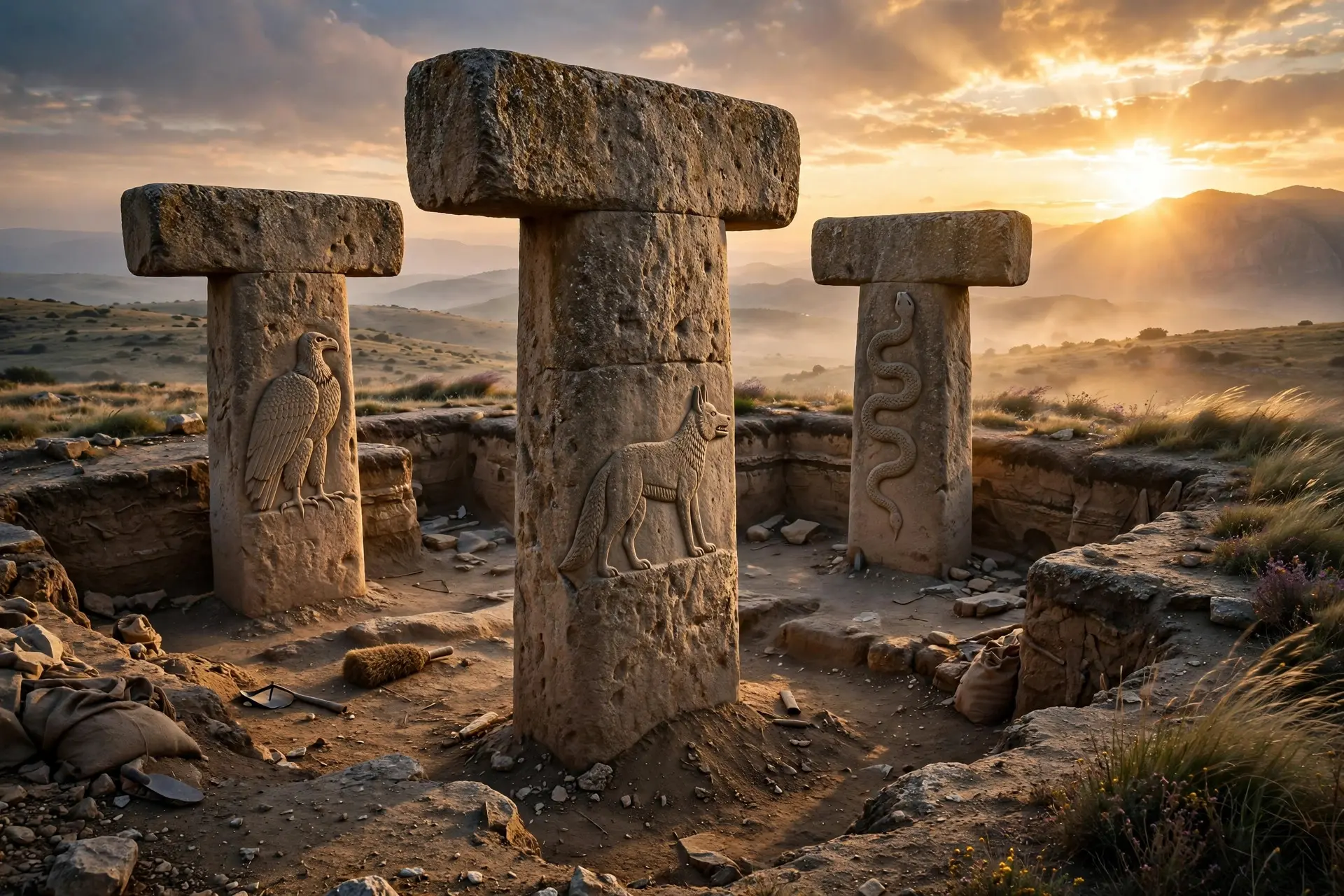 8 min read
How Göbekli Tepe Rewrote the Story of Civilization
Hunter-gatherers raised Göbekli Tepe's carved pillars around 9600 BCE, before farming. Finds of houses and landslide debris now complicate the temple story.
Read Article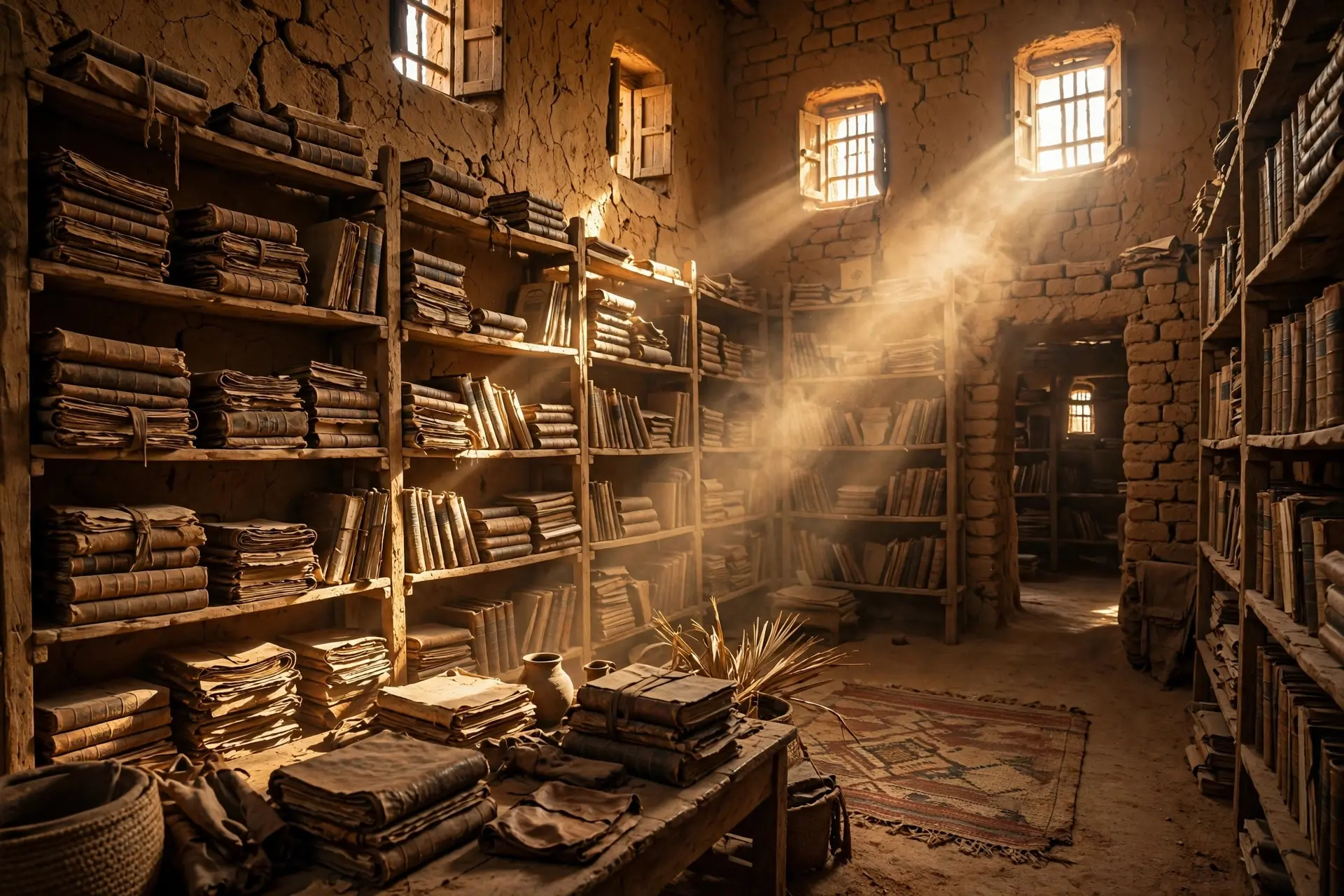 6 min read
The Library of Timbuktu: Africa's Medieval Manuscripts
Timbuktu's medieval manuscripts — hundreds of thousands of pages on astronomy, law, and medicine — survived nine centuries and a daring 2012 smuggling rescue.
Read Article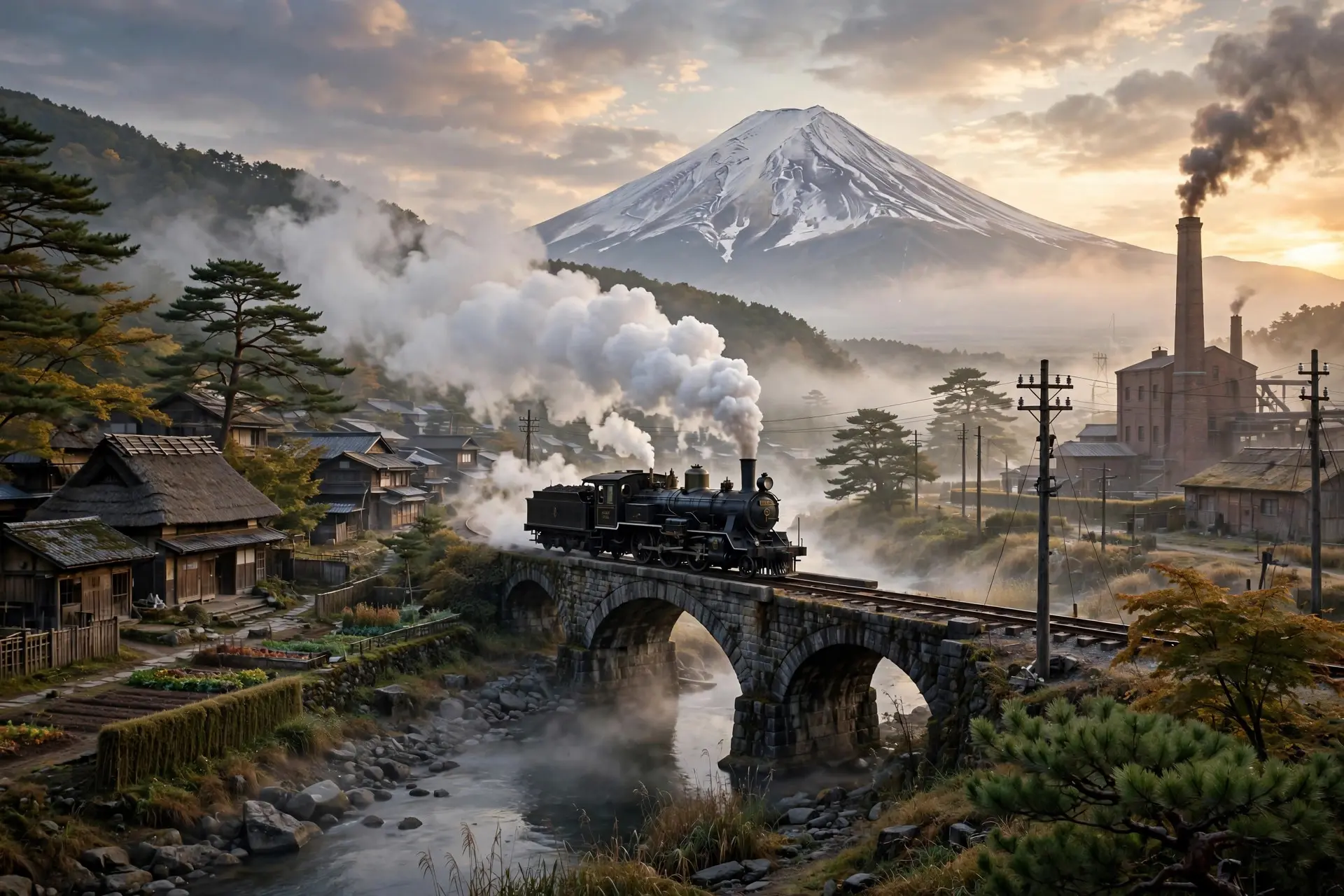 6 min read
How the Meiji Restoration Turned Japan Into a Modern Power
In 1868 Japan's samurai elite dismantled their own feudal order, and the Iwakura Mission's two-year world tour gave them the blueprint for an industrial empire.
Read Article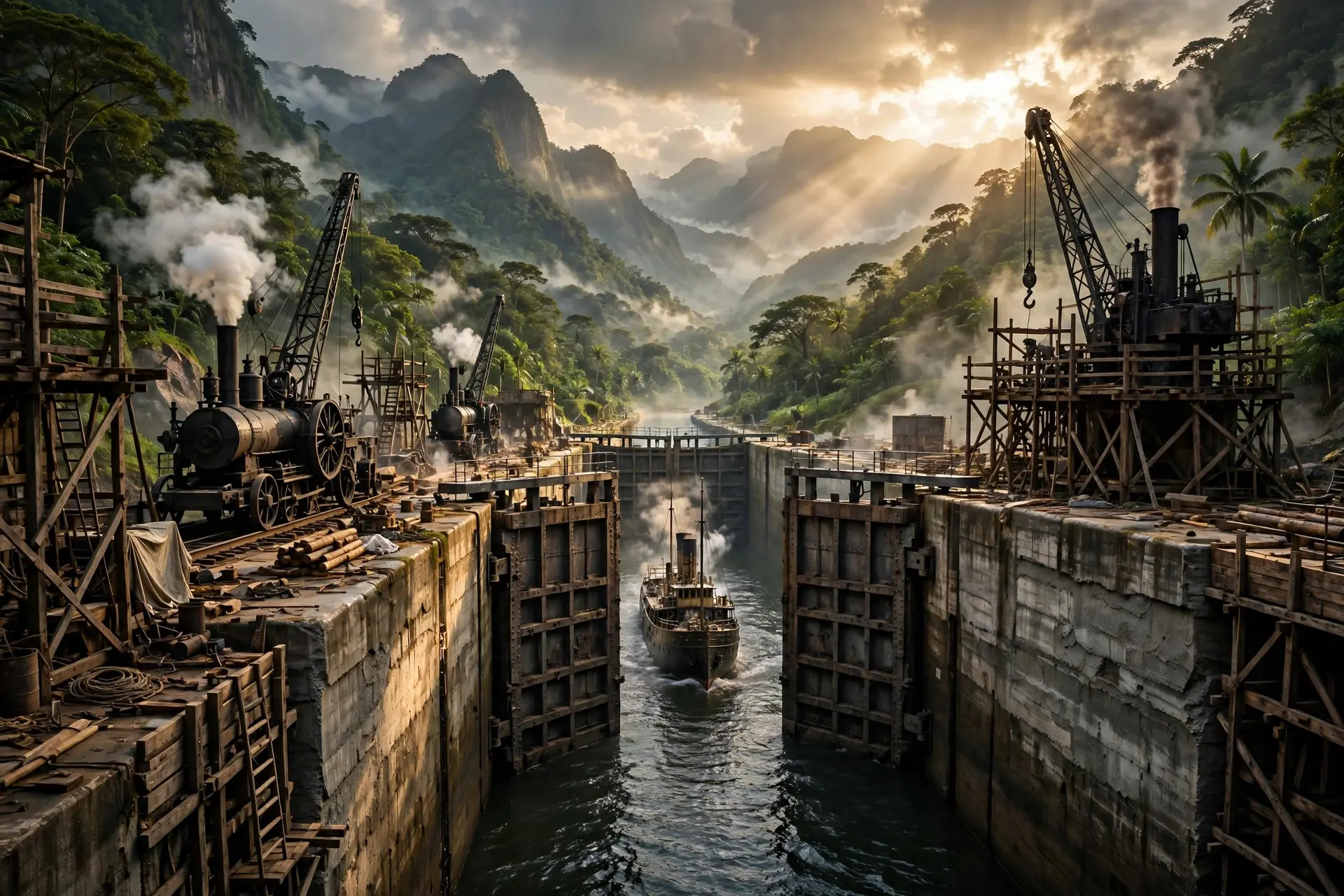 7 min read
How the Panama Canal Finally Conquered the Jungle
Ships crossing Panama climb 85 feet over a jungle ridge via locks, a man-made lake, and a mountain cut. Here is how engineering beat a doomed French dream.
Read Article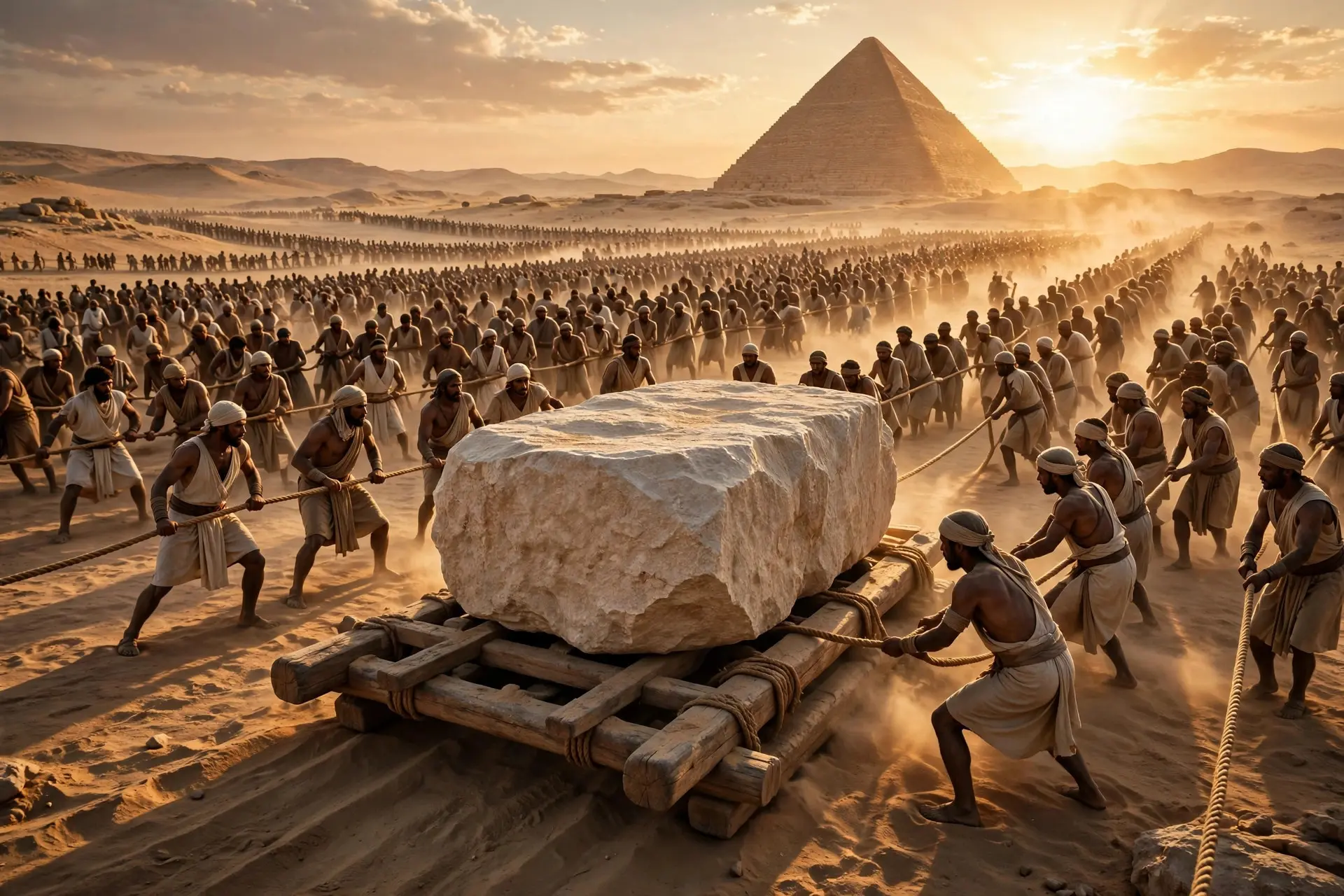 6 min read
How Ancient Egyptians Moved 2.5-Ton Pyramid Stones
Wet sand halves the force to drag a sledge, a 2018 quarry ramp revealed a rope force-multiplier, and a foreman's diary detailed the Nile supply chain.
Read Article 5 min read
The Black Death's Unexpected Economic Aftermath
The 1347-1353 plague killed up to half of Europe — yet scarcity made labor valuable. Wages rose, wage laws failed, and feudalism gave way to a wage economy.
Read Article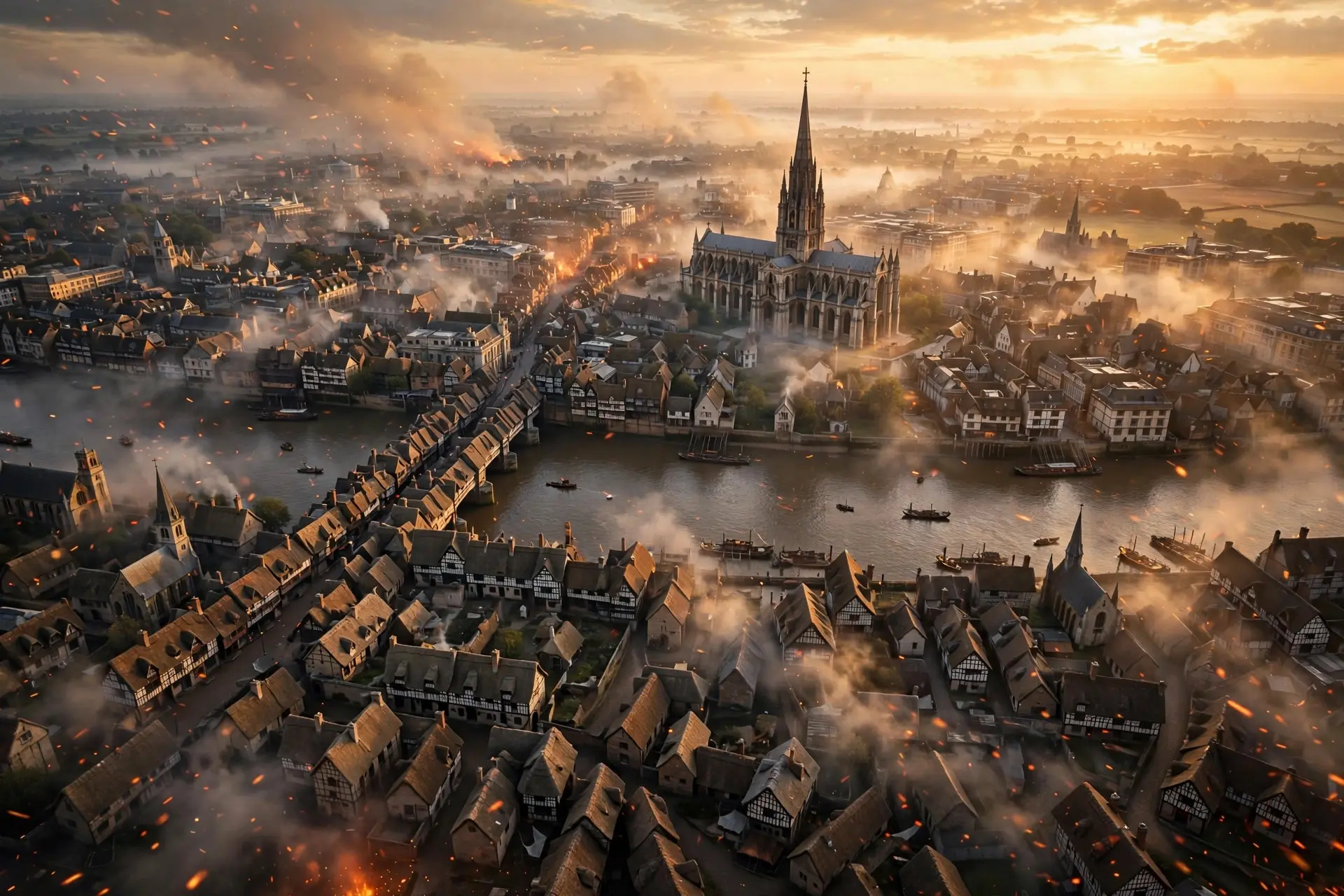 6 min read
The Great Fire of London: How Disaster Rebuilt a City
In four days in September 1666, fire erased most of medieval London — and gave Parliament a rare chance to rewrite the rules of how cities are built.
Read Article 6 min read
The Opium Wars: Trade, Addiction, and Empire
Britain fixed its China trade deficit with opium — and when China fought back, gunboats kept the trade open. The story of addiction as an instrument of empire.
Read Article 8 min read
The Fall of Constantinople: Cannons vs. Ancient Walls
On May 29, 1453, Ottoman cannons breached walls that had stood for a thousand years, ending the Roman Empire. Here is how gunpowder took Constantinople.
Read Article 8 min read
Vinland: The Viking Settlement in North America
Around 1000 AD, Norse sailors settled in Newfoundland, five centuries before Columbus. Excavations at L'Anse aux Meadows show the Viking sagas were true.
Read Article 6 min read
How the Silk Road Spread Disease Along With Silk
Caravans carried silk west and plague with it — then the disease returned east. How the Silk Road became history's first pandemic superhighway.
Read Article 6 min read
Tulip Mania: History's First Speculative Bubble
The bulb bubble was real, but the tale of national ruin was invented later. What Dutch archives reveal about the 1637 tulip crash — and why the myth outgrew it.
Read Article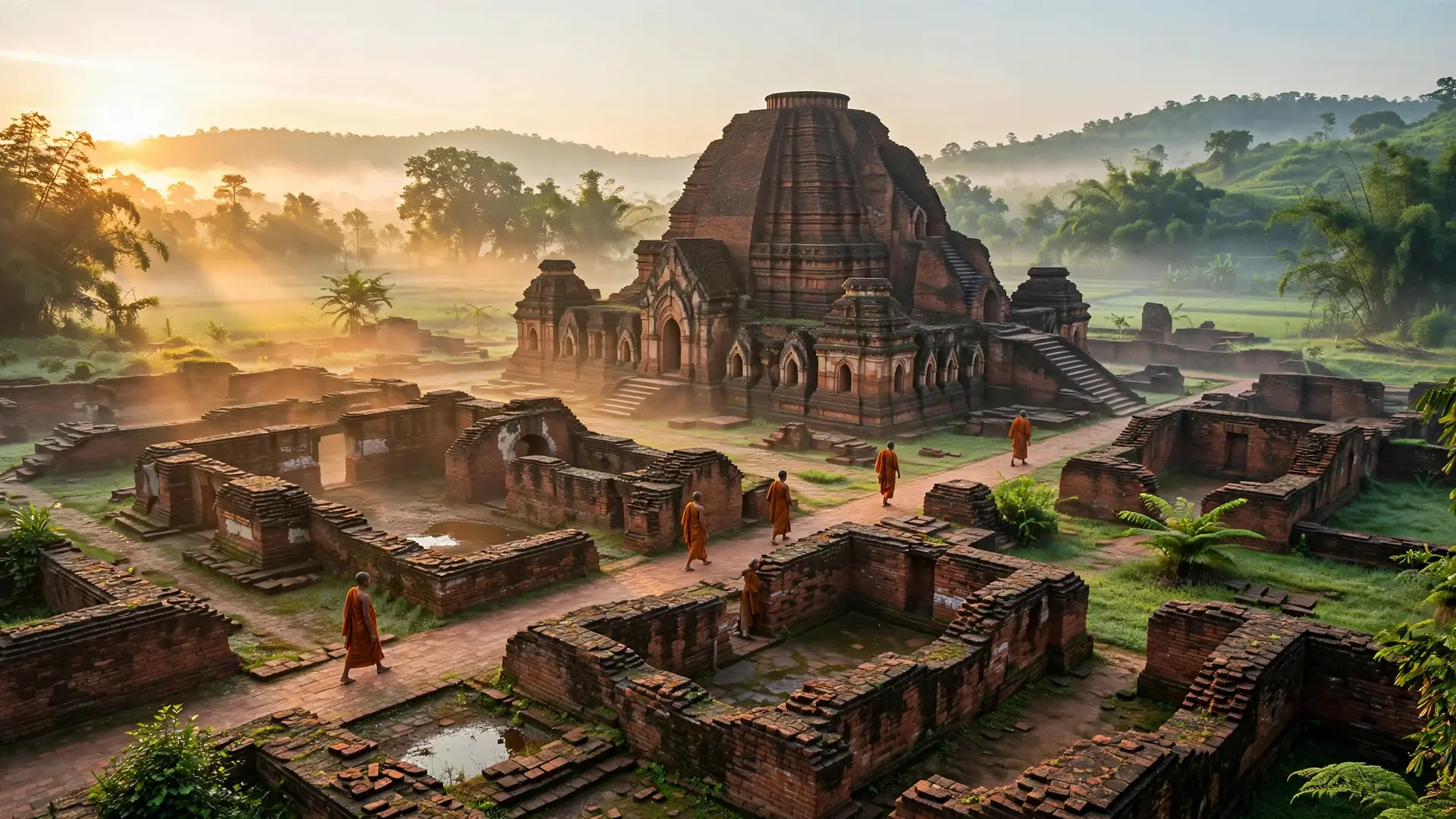 6 min read
Nalanda: The Ancient University of 10,000 Students
Long before Oxford, Nalanda housed 10,000 students and a nine-storey library in ancient India. Inside the world's first great residential university.
Read Article 6 min read
The Year Without a Summer: 1816's Global Famine
In 1816, snow fell in July and crops failed on three continents. How Mount Tambora's eruption froze the world's summer — and changed art and history.
Read Article 6 min read
How the Printing Press Broke the Church's Knowledge Monopoly
Gutenberg's movable type smashed the medieval Church's monopoly on books — and ignited the Reformation, the Scientific Revolution, and mass literacy.
Read Article 6 min read
The Pony Express: 18 Months That Shrank America
In 1860, riders galloped 1,900 miles to deliver mail in 10 days — a bankrupt gamble that stitched a splitting America together before the telegraph killed it.
Read Article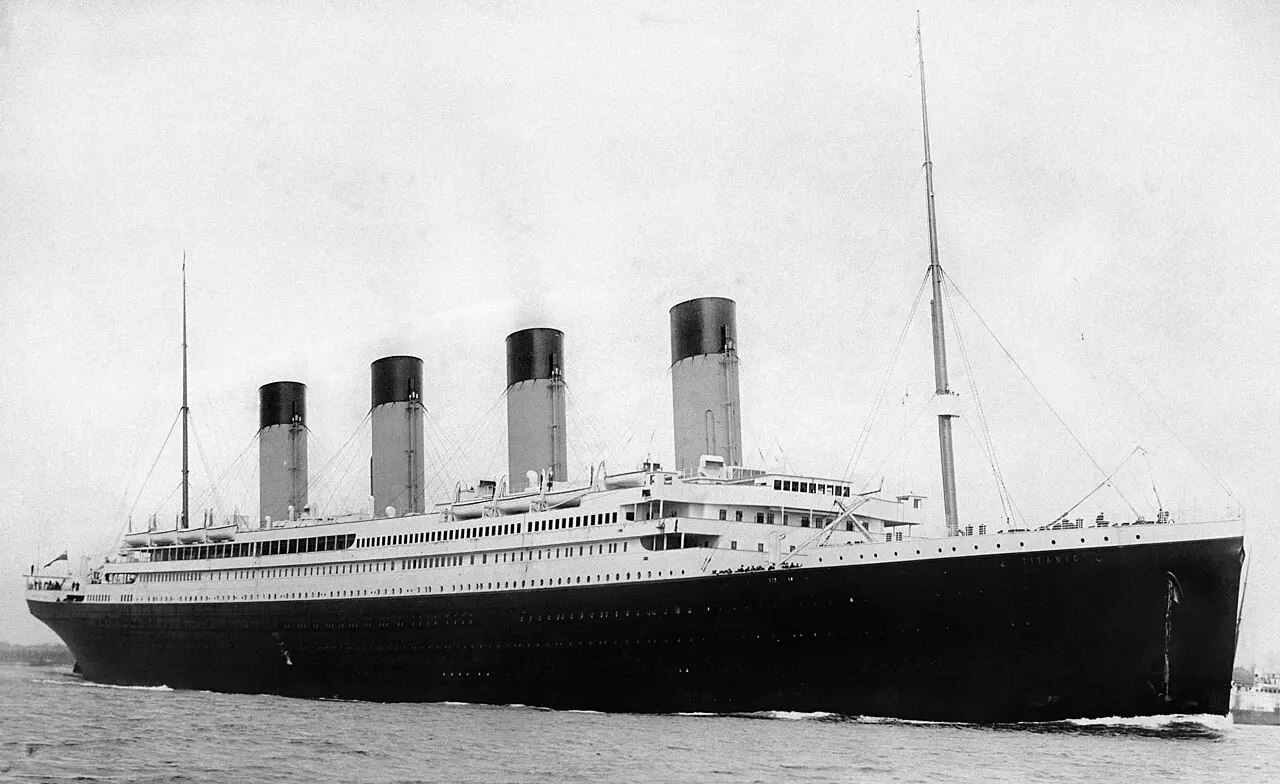 7 min read
Why the Titanic Sank So Fast and So Many People Died
An iceberg opened six compartments in a matter of seconds, and 1894 lifeboat rules left room for barely half of those aboard. Here is how the disaster unfolded.
Read Article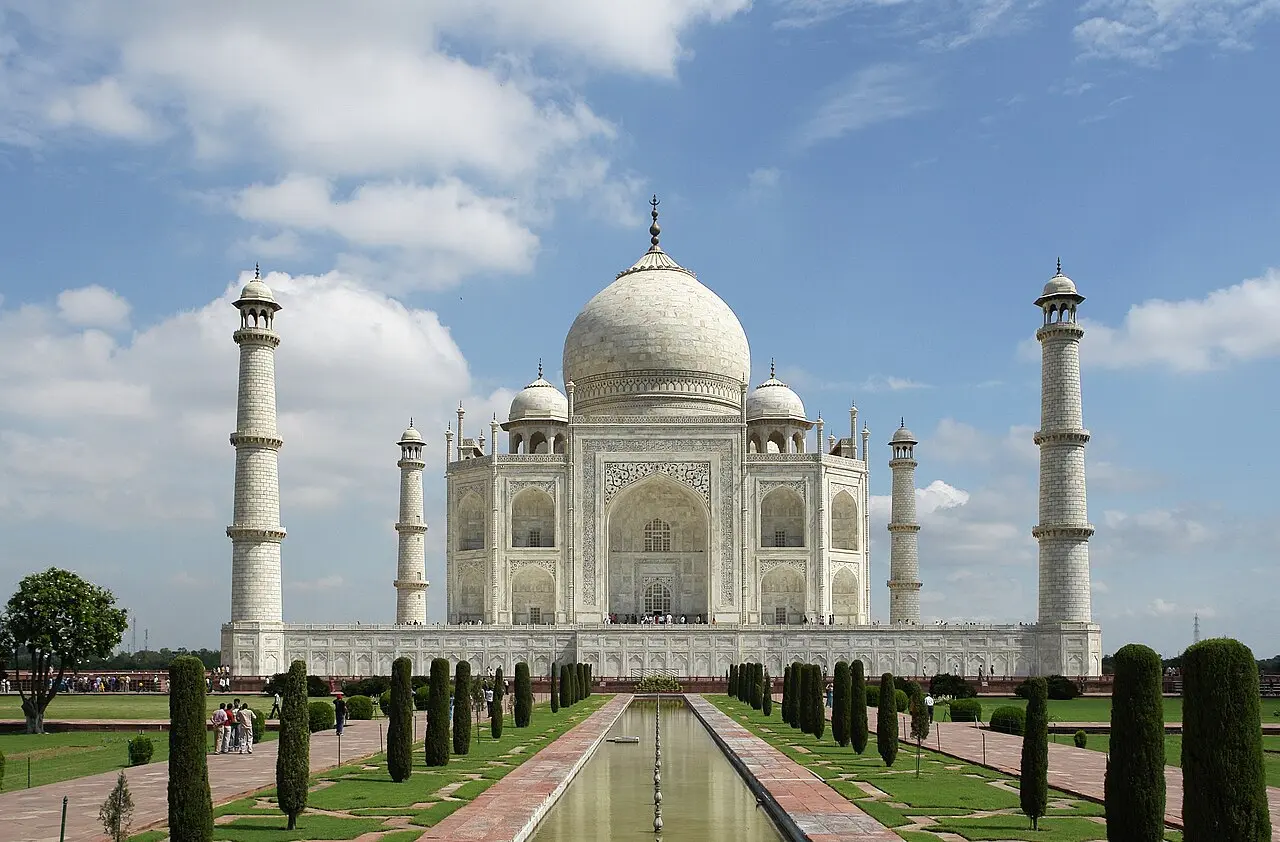 6 min read
How the Taj Mahal Was Built: Grief, Marble and Symmetry
Shah Jahan began the Taj Mahal after Mumtaz Mahal died in 1631. Here is how 20,000 workers, Makrana marble and optical tricks produced its famous symmetry.
Read Article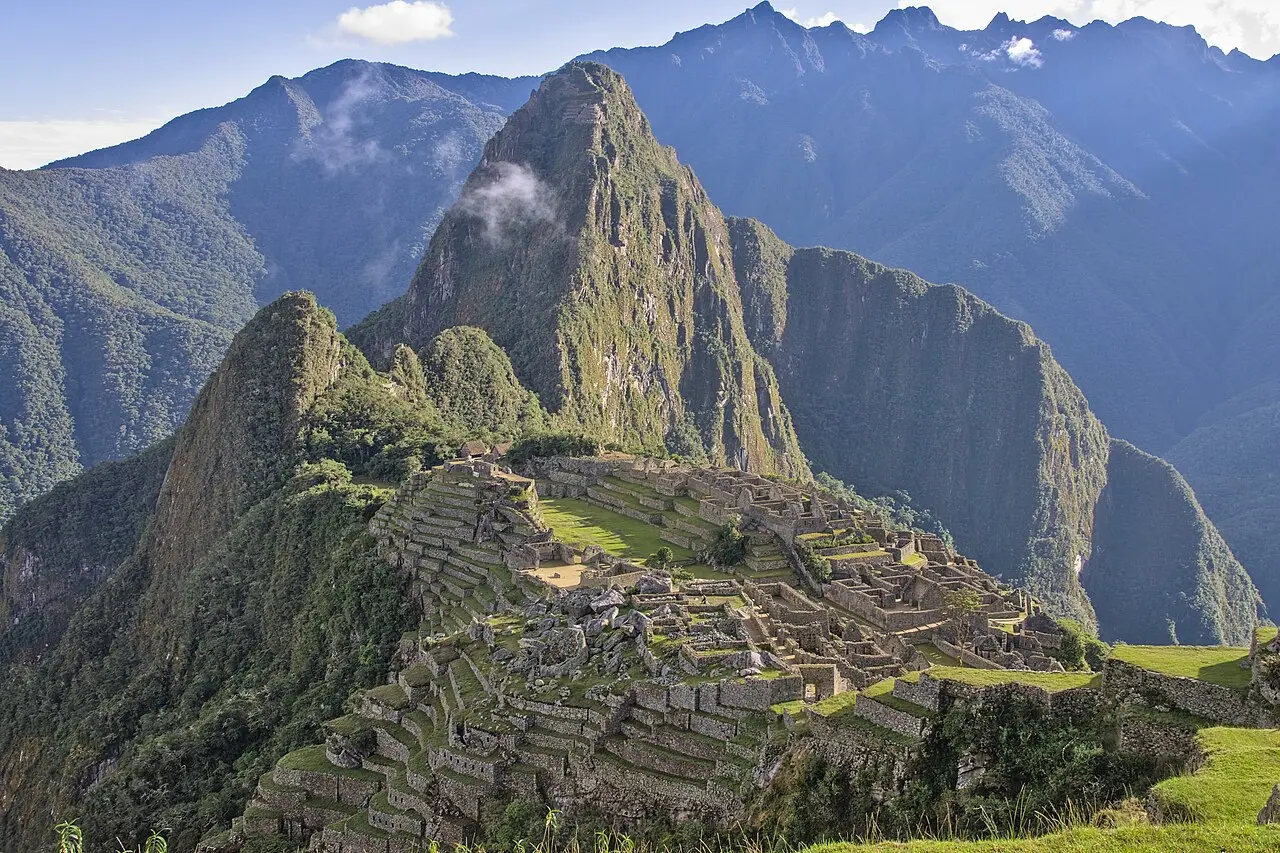 6 min read
Who Built Machu Picchu? An Inca Emperor's Mountain Estate
Machu Picchu was a royal estate for the Inca ruler Pachacuti, lived in from about 1420. Here is how it was engineered, who really found it, and why it emptied.
Read Article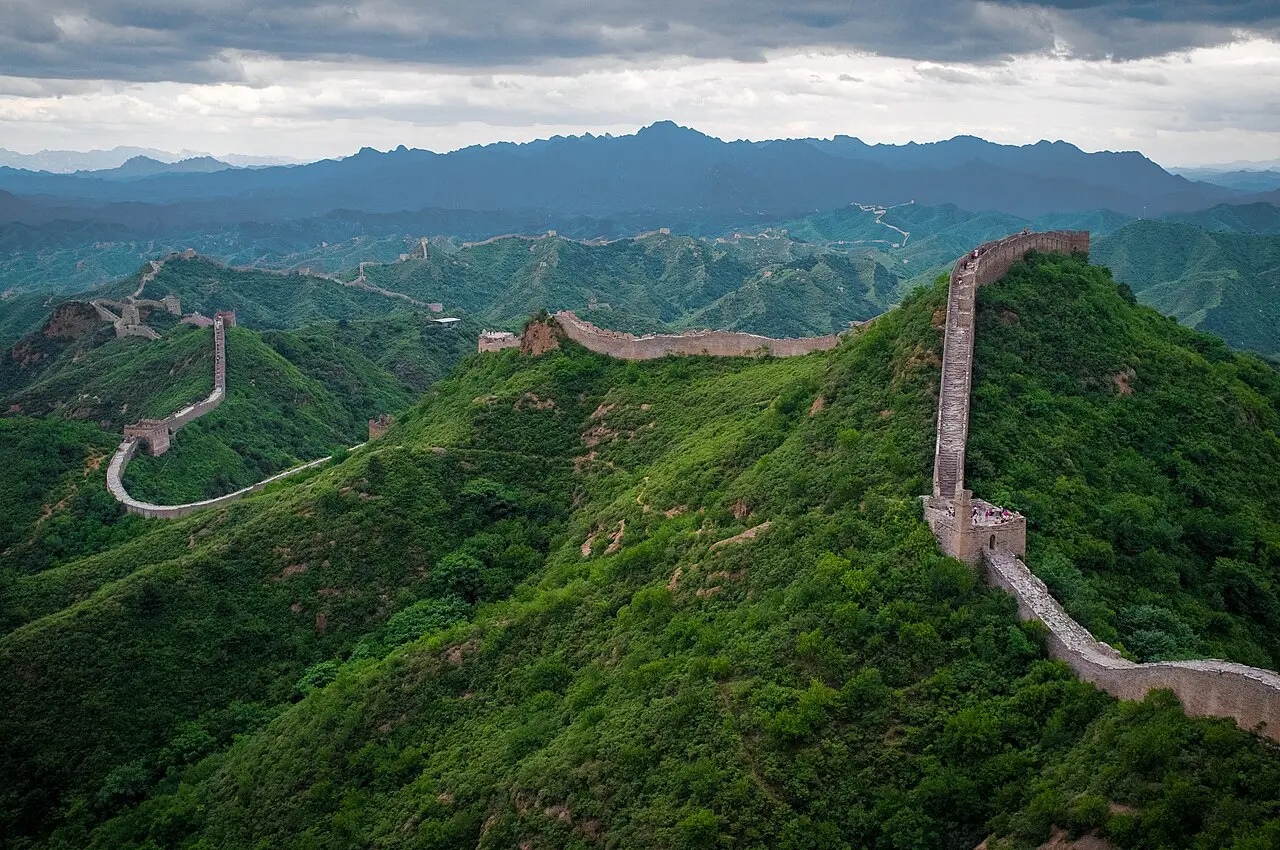 6 min read
How Long Is the Great Wall of China? One Name, Many Walls
A 2012 survey measured the Great Wall at 21,196 km by adding up walls from many dynasties. Here is who built them, whether they worked, and the space myth.
Read Article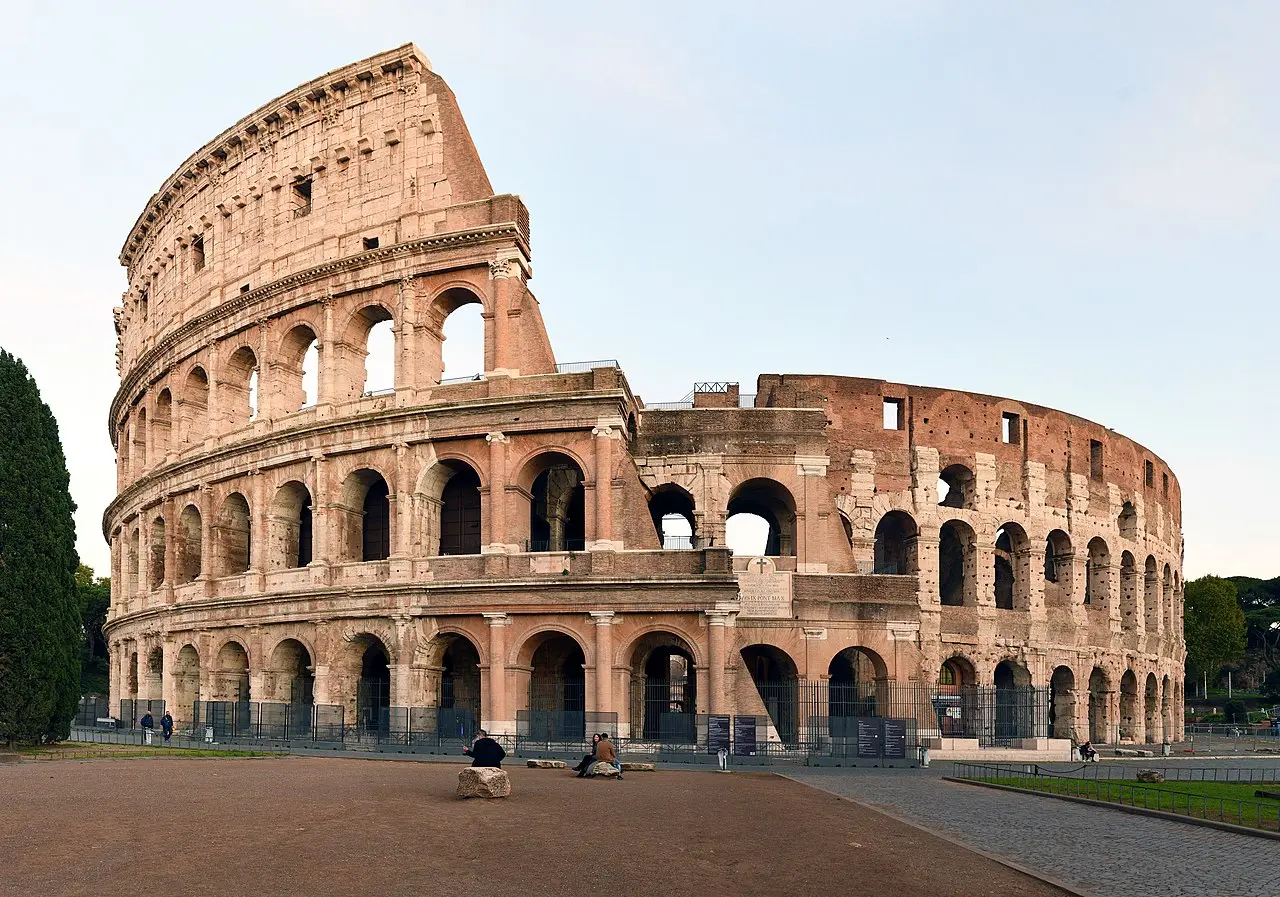 7 min read
How the Colosseum Worked: Crowds, Awnings and Trapdoors
Numbered gates, a sailor-rigged awning and up to 28 animal lifts made the Colosseum a machine for 50,000-plus people. How it worked and why so much is gone.
Read Article 4 min read
Bletchley Park: The Secret Codebreakers of WWII
In a quiet English mansion, mathematicians and machines cracked the codes that shortened World War II. Meet the forgotten heroes behind the Enigma breakthrough.
Read Article 7 min read
The Silk Road's Lost Cities: Echoes of Forgotten Trade
Loulan and Niya ran dry and Merv fell to the Mongols in 1221. How the Silk Road's oasis cities lived, why they were lost and what the desert preserved.
Read Article