
The Archives
397 enduring inquiries, newest first. Browse by topic or explore chronologically.
Page 13 of 17
 geography6 min read
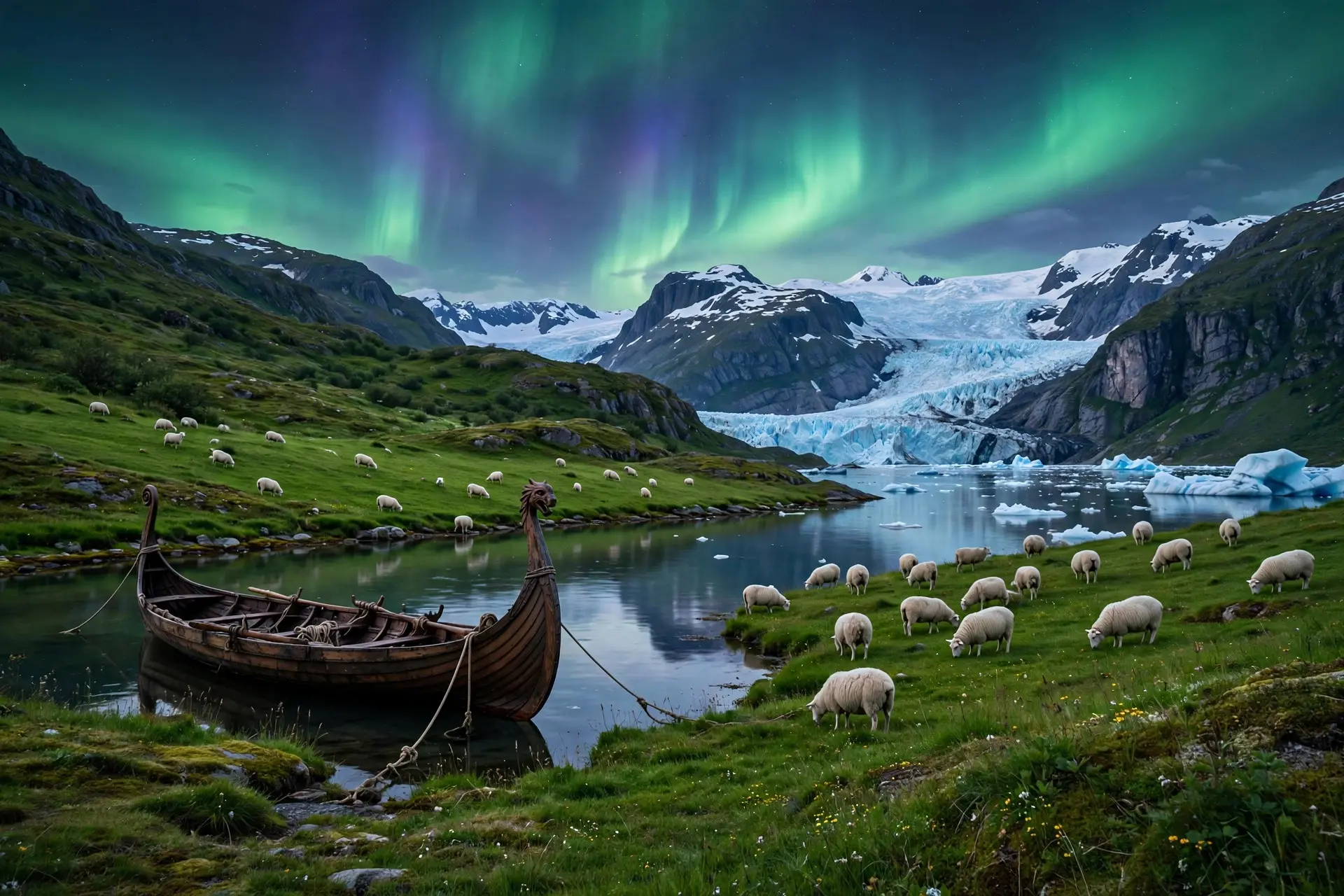
Why Is an Ice-Covered Island Named Greenland?
Around 985 AD, the exiled Viking Erik the Red named an ice-buried island 'Greenland' — history's most famous naming pitch, designed to lure settlers west.
Read Article discoveries7 min read
Finding the Titanic: The 1985 Wreck Discovery
On September 1, 1985, a towed camera found the Titanic at 12,500 feet. How a secret Navy submarine mission, 12 days, and a debris-field gamble solved the hunt.
Read Article technology6 min read
How Touchscreens Detect Your Finger Instantly
Your phone senses your finger with an invisible grid of capacitors, reading femtofarad shifts thousands of times a second. Here is the physics behind every tap.
Read Article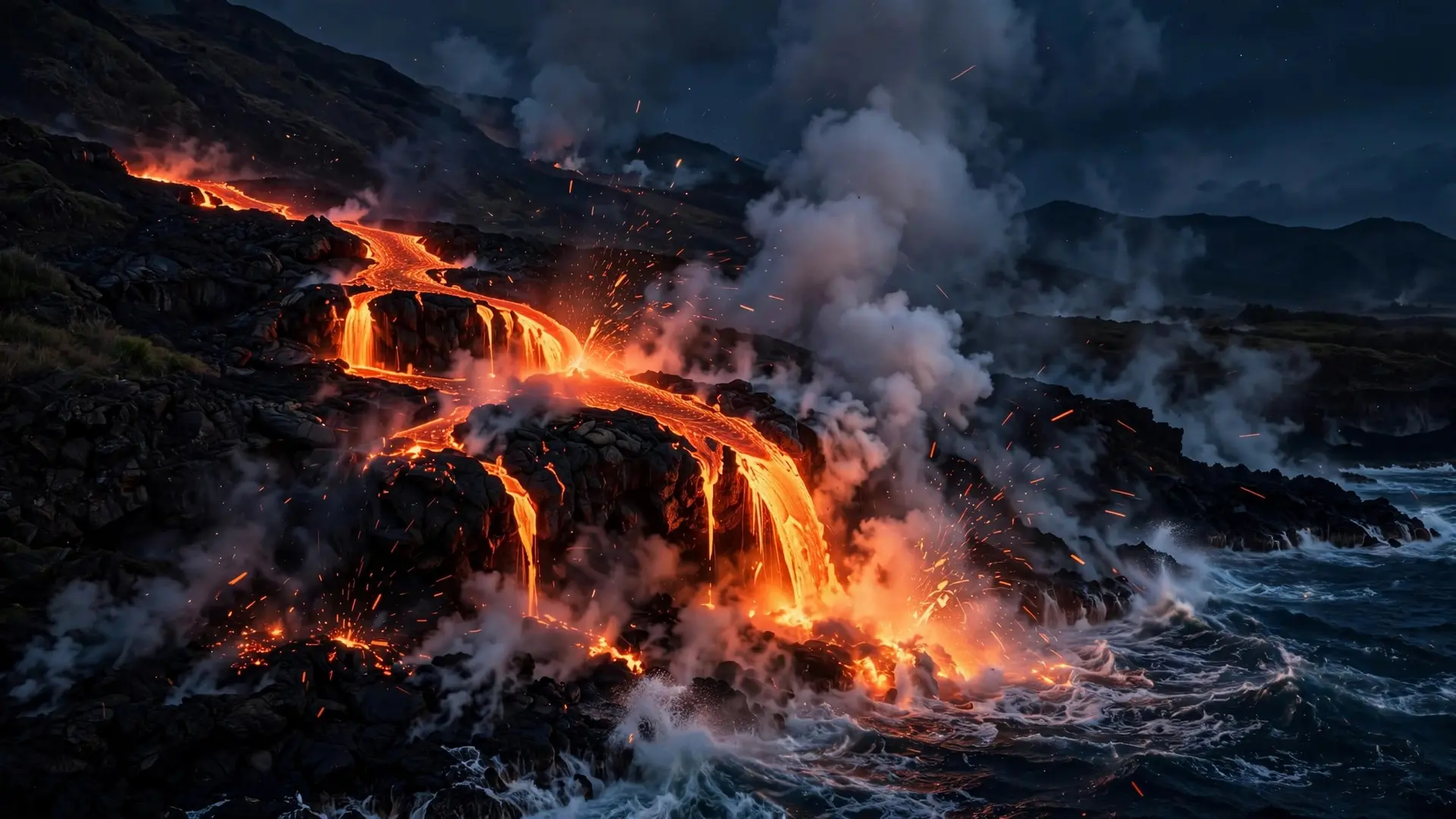 geography6 min read
How Volcanic Islands Are Born: The Hawaii Story
Hawaii began as bubbles of lava rising from a mantle plume. Trace the hotspot engine, the five stages of an island's life, and the volcanoes growing today.
Read Article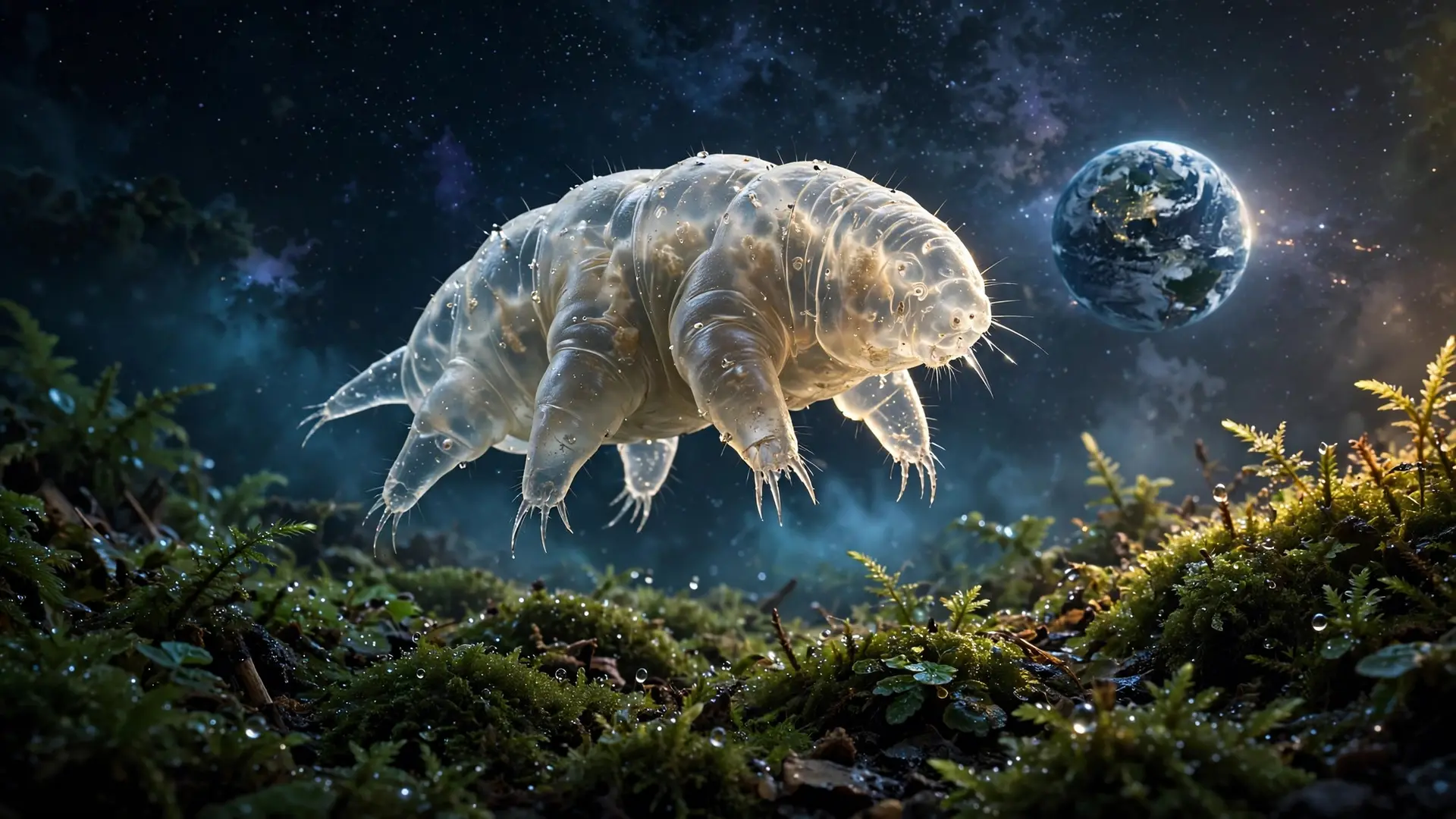 science7 min read
Tardigrades: The Animals That Survive Outer Space
In 2007, thousands of tardigrades endured 10 days of open space vacuum and came home alive. Inside the tun state, the Dsup protein, and their extreme limits.
Read Article history8 min read
The Fall of Constantinople: Cannons vs. Ancient Walls
On May 29, 1453, Ottoman cannons breached walls that had stood for a thousand years, ending the Roman Empire. Here is how gunpowder took Constantinople.
Read Article technology6 min read
The First Computer Bug Was a Literal Moth
In 1947, engineers taped a dead moth into the Harvard Mark II logbook as the first actual case of bug being found. Here is the true story behind the word.
Read Article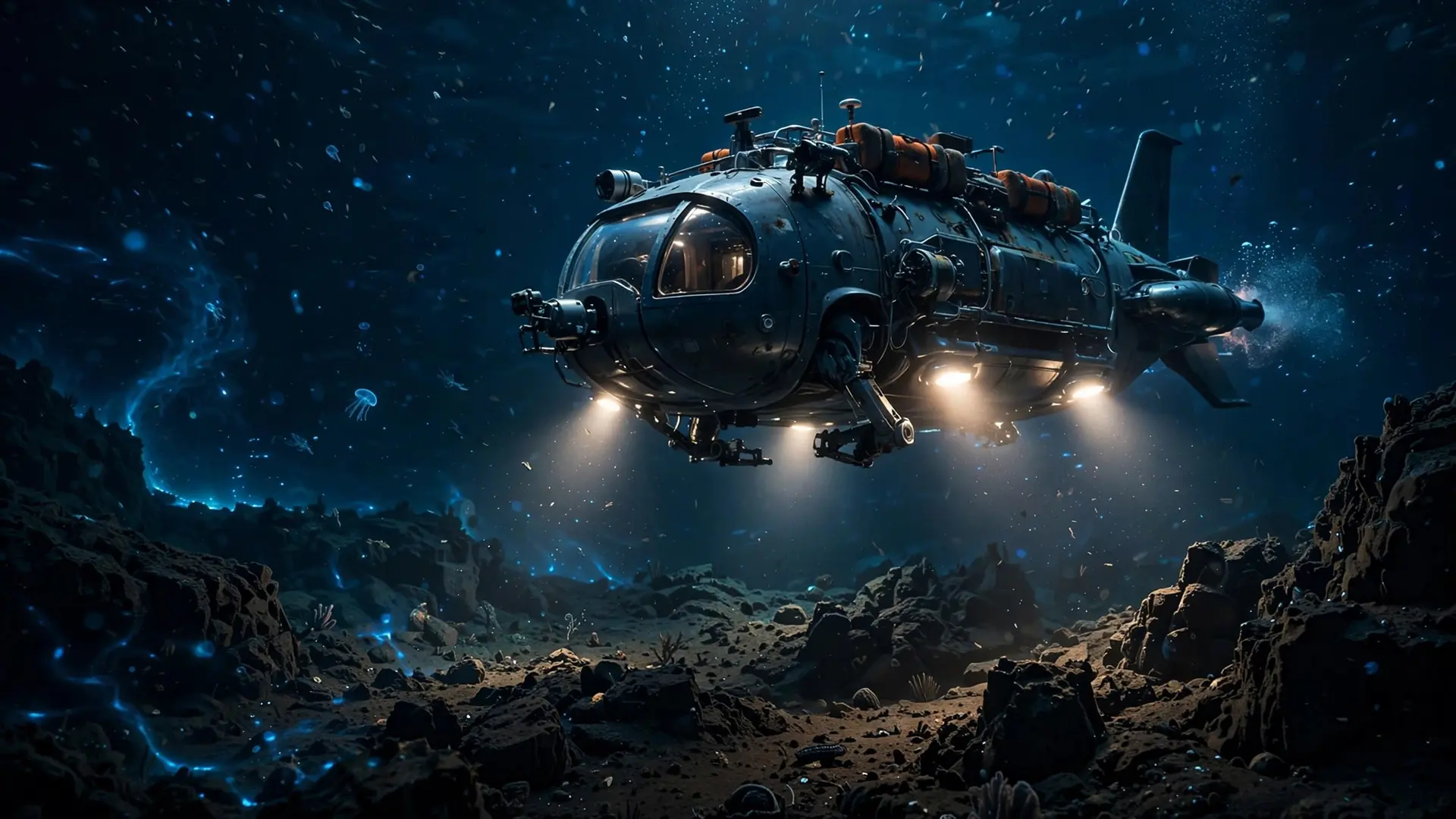 geography6 min read
The Mariana Trench: Earth's Deepest Frontier
The Mariana Trench plunges nearly 11 kilometers into the Pacific — deeper than Everest is tall. How it formed, its first explorers, and what lives there.
Read Article curiosities9 min read
The Max Headroom Broadcast Hijacking of 1987
On November 22, 1987, a masked intruder hijacked two Chicago TV stations, the second for 90 surreal seconds. Nearly four decades on, nobody knows who did it.
Read Article discoveries8 min read
The Tunguska Event: The 1908 Blast That Left No Crater
On June 30, 1908, a fireball flattened 2,150 km² of Siberian forest without leaving a crater. Inside the century-long quest to explain the Tunguska blast.
Read Article history8 min read
Vinland: The Viking Settlement in North America
Around 1000 AD, Norse sailors settled in Newfoundland, five centuries before Columbus. Excavations at L'Anse aux Meadows show the Viking sagas were true.
Read Article curiosities7 min read
Why Do We Get Brain Freeze? The Cold Science Explained
That stabbing forehead pain after a frozen drink is a false alarm from your own blood vessels. Here is the real mechanism behind the ice cream headache.
Read Article science8 min read
Why We Get Hiccups, and What Actually Stops Them
Hiccups are a misfiring breathing reflex with roots in our aquatic past — the reflex arc, the science of real cures, and the man who hiccupped for 68 years.
Read Article science6 min read
Bioluminescence: How Living Things Make Their Own Light
Deep-sea creatures glow blue while fireflies flash yellow-green. We unpack the chemistry of living light and why the ocean settled on a single color.
Read Article technology7 min read
How Lithium-Ion Batteries Actually Store Energy
A lithium-ion battery stores energy as chemical potential, shuttling ions between graphite and metal oxide. Here is how that migration powers your phone.
Read Article history6 min read
How the Silk Road Spread Disease Along With Silk
Caravans carried silk west and plague with it — then the disease returned east. How the Silk Road became history's first pandemic superhighway.
Read Article discoveries6 min read
Marie Curie and the Discovery of Radioactivity
How Marie Curie coined the word radioactivity, proved that radiation comes from atoms themselves, and isolated two new elements from tons of pitchblende.
Read Article geography6 min read
The Atacama Desert: The Driest Place on Earth
Some Atacama weather stations have never recorded rain. Discover the double rain shadow, Mars-like soils, and fog nets that keep this hyper-arid desert alive.
Read Article curiosities8 min read
The Green Children of Woolpit: A Medieval Mystery
In 12th-century Suffolk, two green-skinned children appeared at a wolf pit, speaking an unknown tongue. Their story became England's strangest medieval mystery.
Read Article history6 min read
Tulip Mania: History's First Speculative Bubble
The bulb bubble was real, but the tale of national ruin was invented later. What Dutch archives reveal about the 1637 tulip crash — and why the myth outgrew it.
Read Article discoveries6 min read
Velcro Was Invented by Burrs Stuck on a Dog
A Swiss engineer's 1941 hunting trip left burrs clinging to his dog's fur. Under the microscope, those hooks became Velcro, a best-selling fastener.
Read Article technology6 min read
What Happens When You Press Send on an Email
Pressing Send launches a relay: SMTP submission, a DNS hunt for mail servers, then spam-filter inspection. Follow one email's journey to the inbox.
Read Article science6 min read
What Is Dark Energy, and Why Does It Rule the Universe?
In 1998 astronomers found the universe's expansion is accelerating. We unpack the discovery, the physics failure behind it, and 2025 hints it may weaken.
Read Article curiosities7 min read
Why Do Cats Purr? Science Isn't Fully Sure
A cat's purr is far more than a happiness signal. New research shows it may be self-medication: a healing frequency machine built into every cat.
Read Article